

 “The odor from pig farms is a combination of odorous gases such as Ammonia (NH3), Hydrogen Sulfide (H2S), Volatile Organic Acids and Phenolic. In addition, there are some odorless gases such as Methane (CH4), Carbon Dioxide (CO2). What is the solution to effectively and thoroughly handle the above odorous gases?”
Causes of bad odor
Industrial pig farming, mainly using refined/compound feed with high protein content, feed and other ingredients in the digestive process of livestock, when released outside, decompose to produce toxic gases that cause odor, which is the main source of bad odor in pig farms. In addition, the high density of pig farming (1-1.2m2/pig) causes odors from the pig’s body (due to metabolism and excretion through the skin), odors from leftover food… Combined, they create a very large odor load and increase according to the total herd that the farm is raising.
The scale of pig farming gradually develops into concentrated farms with large herds and high density, combined with odor dispersion conditions (temperature and humidity), causing a great impact on the farming environment as well as the living environment around the farm, with an extremely large radius of influence. The main gases and odor sources include:
- H2S odor: From waste
- NH3 odor:From urine
- Acid odor:From the fermentation process of leftover food
- Other foul odors:From other volatile organic acid compounds
Characteristics of the foul odor of pig farms:
| Odor-causing gas | Origin | How to identify | Characteristics | Direct effects on humans and pets |
|---|---|---|---|---|
| Ammonia (NH₃) | Mostly from urine | Sharp, pungent, easily identifiable | Lighter than air. Easily dispersed over a wide area. | Toxic gas irritates the eyes and nose. Asphyxiates at high levels. Dangerous if exposed to high concentrations or for a long time |
| Hydrogen sulfide (H₂S) | Generated from waste decomposition | Rotten egg odor | Heavier than air. Easily dispersed at low levels. Potential to accumulate if time is long enough. | Toxic gas: causes headaches, dizziness, nausea. Dangerous if exposed to high concentrations or for a long time |
| Volatile organic acids | Decomposing substances in pig manure | Strong | Potential to cause high odor in anoxic conditions. Increases total odor. Pets and humans are susceptible to frequent and large inhalation of odorous compounds. Many odorous compounds are the result of normal biological reactions. Odorous compounds are commonly found in fresh waste, becoming more intense as it decomposes. As soon as it is discharged outside, it produces odors and gradually accumulates. Therefore, to completely treat odors, it is necessary to treat manure/waste at the source and regularly to be effective.
Common methods for deodorizing pig barns: – Using microorganisms (usually when going through sterilization/UV irradiation steps, microorganisms will die or be absorbed) – Using a mesh cover system behind the barn’s exhaust fan (treats the top part and has high operating costs, not very effective) – Using a gas collection and neutralization system (requires large initial investment and very high operating costs) Each solution has its own advantages and disadvantages, and in general, it does not completely solve the problem. You can see more details about methods to treat the stench of pig farming here: https://jvsf.vn/phuong-phap-xu-ly-mui-trong-chan-nuoi-lon/
A new material invention from Japan called Organic Carbon (Nema1), is organic carbon prepared from cellulose in amorphous atomic form, has outstanding features and is certified organic by Japan: Easily and quickly handle odor-causing toxic gases, speeding up the process Decomposition/composting makes waste odor-free and creates a good, biologically balanced environment.     


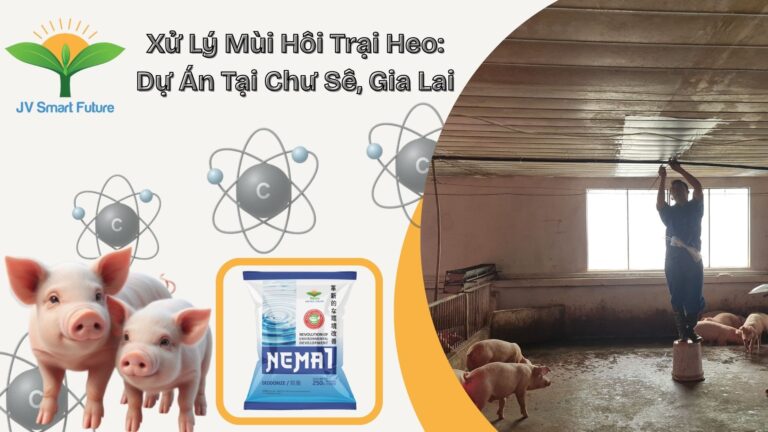 Pig Farm Odor Control: A Case Study on Sustainable Farming Table of Contents Odor Control Project at Chu Se Farm, Gia Lai: Solving the Sustainable Development Challenge Introduction to Chu Se Farm The Investor’s Vision for Odor Control Identifying the Main Odor Sources JVSF’s Breakthrough Odor Control Technology: Automated Rain 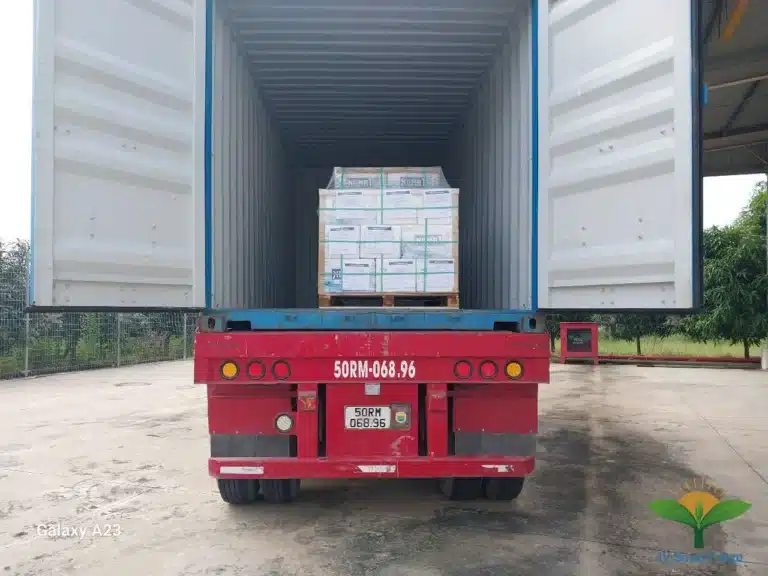 A Comprehensive Solution for Dairy Farm Environmental Management: The Landmark Partnership Between JVSF and Fraser & Neave (F&N) The global industrial-scale dairy farming sector is at a critical juncture. The pressures of food security and economic efficiency must go hand-in-hand with increasingly stringent demands for sustainability and environmental responsibility. In 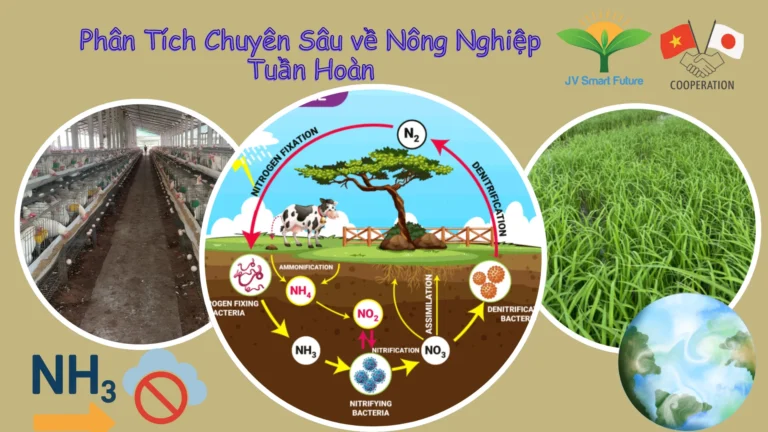 🌾 Integrated Circular Agriculture: An In-Depth Analysis of the Catalytic Role of Organic Carbon Technology 🔬 Part I: Foundation: Principles and Potential of Integrated Circular Agriculture 1.1. Redefining Agricultural Production: From a Linear to a Circular Model 🔄 For decades, modern agriculture has operated primarily on a linear “take-make-dispose” model. Vietnamese Farmers: From Traditional to Professional and Smart Perspectives from the scientific conference of the same name September 24, 2025, at the School of Public Policy and Rural Development On September 24, 2025, at the School of Public Policy and Rural Development (Ho Chi Minh City), JVSF was honored to
Phone
WhatsApp
Messenger
Zalo
WhatsApp
Phone

| |