Genesis Carbon: A Revolutionary Japanese Breakthrough in Material Science
Throughout the evolution of material science, numerous breakthroughs have redefined the boundaries of technology, industry, and human well-being. Among these landmark innovations, one recent development from Japan stands out as truly transformative: Genesis Carbon. This extraordinary material, synthesized through the atomic-level processing of cellulose, is not merely a new carbon compound—it represents a novel and highly active allotrope of carbon with unprecedented physical and chemical characteristics. More than just a scientific curiosity, Organic Carbon (Genesis Carbon )holds the potential to catalyze paradigm shifts across sectors ranging from medicine and agriculture to environmental protection. In this essay, we explore its origin, unique properties, and vast potential for reshaping the world around us.The Genesis of Genesis Carbon
Organic Carbon (Genesis Carbon )is the fruit of pioneering research led by Dr. Yukihiro Sugiyama and his team at the University of Tokyo. Since the early 2000s, their work has focused on unlocking the hidden capabilities of carbon by exploring its most fundamental structures. By refining cellulose, a ubiquitous organic polymer found in plant cell walls, through a proprietary atomic-level process, they successfully created a new carbon allotrope. Unlike familiar forms such as graphite or activated carbon, Organic Carbon (Genesis Carbon )features an amorphous, atomic-scale structure with distinctive behaviors that set it apart both scientifically and functionally.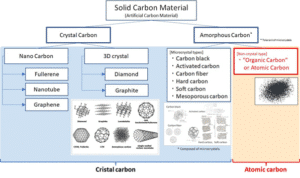
Unparalleled Characteristics of Genesis Carbon
What makes Organic Carbon (Genesis Carbon )truly revolutionary are its microscopic scale and physicochemical properties. When dissolved in water, a single milliliter can disperse approximately 34 million particles, as confirmed by certified laboratories under the oversight of Japan’s Ministry of Science and Technology. These particles, measuring just 0.16 nanometers, exhibit a remarkable capacity to integrate into organic molecular chains, catalyze complex biochemical reactions, and serve as a source of bioavailable energy.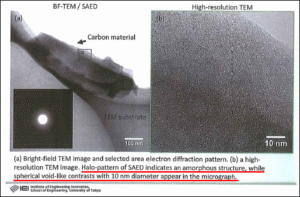 Key characteristics include:
 - Alkalinity: With a pH above 8, Organic Carbon (Genesis Carbon )fosters a more favorable environment for biological activity.
- Atomic Form: Unlike conventional carbon molecules, Organic Carbon (Genesis Carbon )exists at the atomic level, enabling high reactivity and diffusion.
- Amorphous Structure: Devoid of a crystalline form like diamond or graphite, it remains flexible and adaptable across applications.
- Non-Conductive Nature: The absence of electrical conductivity enhances its safety and suitability for use in living systems.
- Biocompatibility: Crucially, it poses no toxicity risk to plants, animals, or humans, making it viable for direct application in health and ecological contexts.
Applications Across Sectors
The versatility of Organic Carbon (Genesis Carbon )is perhaps best illustrated through its broad and impactful applications, particularly in agriculture and environmental sustainability.-
Soil Health and Agricultural Productivity
- Balances soil pH, enhancing the environment for beneficial microorganisms.
- Accelerates humus decomposition, making nutrients more available to plants.
- Breaks down residual agrochemicals, detoxifying the soil for safer food production.
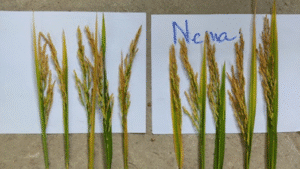
- Improves soil texture and fertility, contributing to higher yields and reduced dependency on synthetic fertilizers.
-

-
Environmental Protection and Waste Management
 Its capacity for molecular interaction makes Organic Carbon (Genesis Carbon )a valuable tool in:
 - Degrading organic waste rapidly, especially in agricultural and municipal systems.
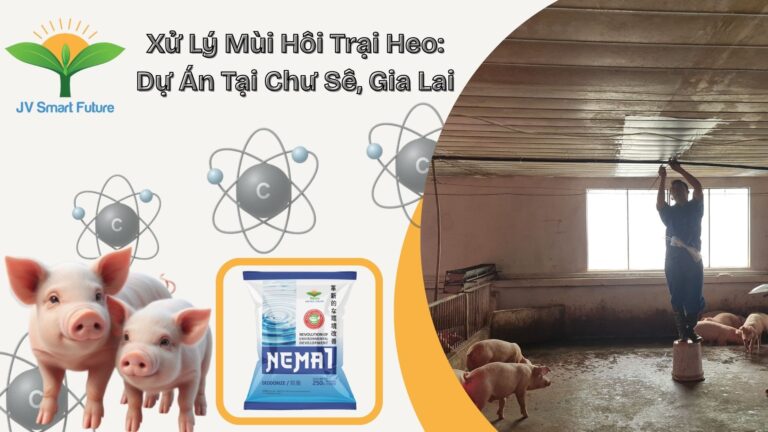
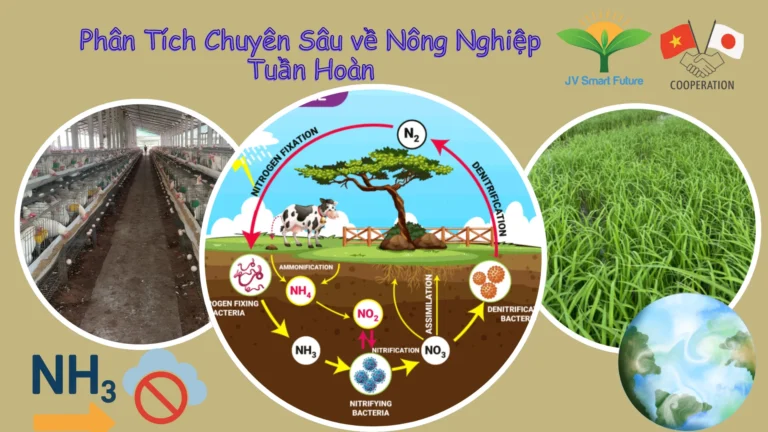
- Neutralizing harmful gases such as hydrogen sulfide (H₂S) and ammonia (NH₃), improving air quality.
- Creating odor-free and hygienic environments, which is particularly beneficial for livestock farms and composting facilities.
Organic Carbon (Genesis Carbon )is more than just a material innovation—it is a convergence of nature and technology, offering tools to address some of the most urgent challenges of our time. Its applications are not only scientifically impressive but also profoundly human, contributing to the health of both people and animals, enhancing food security, and promoting environmental restoration.
As the scientific community continues to explore the full scope of its capabilities, Organic Carbon (Genesis Carbon )may very well emerge as a cornerstone of next-generation green technologies. It serves as a testament to the ingenuity of modern research and the enduring potential of materials science to improve life on Earth.