A Complete Guide to Growing Bananas for Export in Vietnam
Part 1: Overview of Growing Bananas for Export in Vietnam
1.1. Key Banana Varieties for Export and Their Characteristics
Vietnam is home to diverse banana varieties, with several establishing a strong presence in the international market due to their superior yield and quality. Success in growing bananas for export often depends on choosing the right variety.
Cavendish Banana Group
This is the leading banana for export worldwide and in Vietnam, including varieties like Dwarf Cavendish, Grand Naine, and Williams. The Red Dacca Banana (also known as the Red Cavendish) is particularly popular in markets like China, Japan, and South Korea. This variety yields high, has a delicious flavor, and features long, curved fruit, making it ideal for the fresh banana export market. When grown using tissue culture, yields can reach 45-60 tons/ha, producing uniform, high-quality fruit.
Laba Banana
A specialty of the Da Lat region in Lam Dong, this banana variety was once offered to King Bao Dai. Laba bananas are slender and slightly curved, turning a beautiful golden yellow when ripe. Their flesh is firm, sweet, and has a distinctive aroma, commanding a high export value. It grows best in the basaltic red soils and cool climate of the region.
Lady Finger Banana (Chuoi Xiêm/Sứ)
Commonly grown, especially in the southern provinces, this variety is robust, not picky about soil, and drought-tolerant. The fruit is large and plump with a sweet taste but is less aromatic than other varieties. Lady Finger bananas are often exported frozen after being peeled and vacuum-sealed to markets in the Middle East, Europe, Canada, and the US.
Royal Banana (Chuoi Ngự)
Famous for its small size, thin peel, and bright yellow color when ripe, the Royal Banana has firm flesh and a very distinct flavor. Although its yield is lower, it remains a valuable export banana due to its unique quality.
1.2. Advantages of Natural Conditions for Growing Bananas
Vietnam has significant natural advantages for developing large-scale banana farming, especially in the southern provinces.
- Tropical Climate: Vietnam’s tropical monsoon climate makes it one of the “homelands of the banana tree.” The average annual temperature in many regions, especially the south, is above 24°C, which is within the ideal range (25-35°C) for year-round banana growth.
- Rainfall and Humidity: Banana plants have high water requirements due to their large leaves and poor water storage in their pseudostems. Vietnam’s average rainfall (around 1,000 – 1,600 mm/year) and high humidity meet these needs well, promoting vigorous growth.
- Sunlight: Lighting conditions in Vietnam are generally suitable for banana photosynthesis and development. As a day-neutral plant, it can flower once it reaches sufficient growth, allowing for flexible cultivation schedules.
- Soil: Vietnam has fertile alluvial soils along rivers and light, loamy soils that are perfect for intensive banana cultivation, especially in provinces like Dong Nai, Soc Trang, Ca Mau, and the Red River Delta.
1.3. Major Challenges in Growing Bananas for Export
Despite these advantages, the Vietnamese banana export industry faces serious challenges that require advanced technical solutions and sustainable management.
- Soil Health Degradation: Long-term monoculture and intensive banana farming, coupled with the overuse of chemical fertilizers, have led to severe soil degradation. Common issues include soil compaction, reduced water permeability, acidification (low pH), nutrient imbalance, and depleted organic matter. According to the Ministry of Natural Resources and Environment (2020), about 44% of Vietnam’s agricultural land is degraded to varying degrees. This not only reduces yield but also increases the risk of soil-borne diseases.
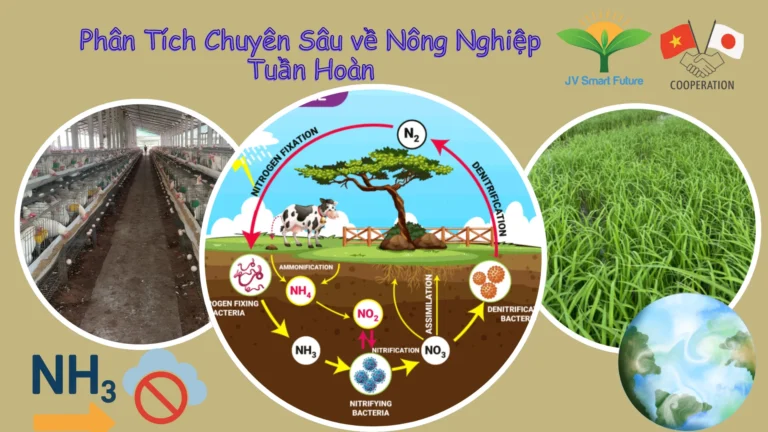
- Dependence on Chemical Fertilizers: To compensate for declining soil fertility, farmers tend to increase the use of chemical fertilizers, especially nitrogen (N). This creates a vicious cycle: as the soil degrades, more fertilizer is needed, driving up production costs. Furthermore, fertilizer efficiency is very low; statistics show that over 50% of nitrogen applied to the soil is often lost through volatilization or runoff, polluting water sources and emitting greenhouse gases. Overuse also damages soil structure and kills beneficial microorganisms.
- Pest and Disease Pressure:
-
- Panama Disease (Fusarium Wilt): This is the most dangerous disease, known as the “banana destroyer.” Caused by the fungus Fusarium oxysporum f. sp. cubense (Foc), it persists in the soil for a long time, enters through the roots, and clogs the vascular system, causing yellowing, wilting, and death. The Foc TR4 strain is a global threat to the Cavendish banana variety. There is currently no effective chemical treatment for this disease.

Panama Disease, a major threat to banana cultivation (Source: vietplants)
-
- Sigatoka Leaf Spot: Caused by the fungus Pseudocercospora fijiensis, this disease creates black spots on leaves, reducing photosynthesis and directly impacting yield and fruit quality.

Sigatoka disease on banana leaves (Source: vietplants)
- Other Pests and Diseases: Banana plants are also attacked by others like Bunchy Top Virus, anthracnose on the fruit, corm borers, mealybugs, and thrips, all of which reduce yield and commercial value.
-
- Impact of Climate Change: Changes in temperature and rainfall have negative effects. Higher temperatures and humidity increase the risk of fungal diseases like Black Sigatoka. Extreme weather events like storms cause damage, while droughts lead to stunted growth and poor yields.
- Strict Requirements of Import Markets: Major markets like China, Japan, the EU, and the US have very strict requirements. Bananas for export must be green, harvested at the right maturity (75-85%), and be free of bruises, black spots, or scars. Additionally, products must comply with food safety regulations, pesticide residue limits, and have clear traceability through certifications like GlobalG.A.P.
Part 2: Introducing Organic Carbon NEMA2 for Sustainable Banana Farming
2.1. Overview of the Organic Carbon NEMA2 Product
Organic Carbon NEMA2 is an advanced soil conditioner positioned as a high-tech solution for the challenges of modern agriculture, especially for those **growing bananas for export**.
Origin and Manufacturer
The product is manufactured and distributed by JAPAN VIETNAM SMART FUTURE JSC (JVSF), using technology and production lines transferred from Japan. The foundation of NEMA2 is “Organic Carbon” (also known as “Atomic Carbon”), an innovation by Dr. Yukihiro Sugiyama and his colleagues at the University of Tokyo, researched since the 2000s. This scientific background positions NEMA2 not as a typical agricultural product, but as a new, highly active material that delivers superior results at low application rates.
Learn More About Organic Carbon NEMA2Certifications and Quality Standards
A key competitive advantage of NEMA2 is its JAS (Japanese Agricultural Standard, or OMJ) Organic Certification. This is one of the world’s strictest organic standards, guaranteeing the product is 100% natural, chemical-free, and safe for humans, animals, and the ecosystem. This certification is crucial for accessing demanding markets like Japan, the EU, and the US.
Physical and Chemical Properties
NEMA2 is a fine, black, 100% natural powder. Its most important chemical properties are its very high alkalinity, with a pH often above 8.0 (sometimes over 9.0), and strong antioxidant capabilities. These properties are fundamental to its soil-conditioning mechanisms.
Table 1: Organic Carbon NEMA2 Product Profile
| Attribute | Detailed Description |
|---|---|
| Product Name | Organic Carbon NEMA2 |
| Manufacturer | JAPAN VIETNAM SMART FUTURE JSC (JVSF) |
| Technology Origin | Japan – Developed from Genesis Carbon (Atomic Carbon) by Dr. Yukihiro Sugiyama, University of Tokyo |
| Main Component | Atomic Organic Carbon extracted from cellulose |
| Physical Form | Fine, black, 100% natural powder |
| pH Level | Highly alkaline (pH > 8.0, can be > 9.0) |
| Certification | Japanese Organic Standard (JAS / OMJ) |
| Main Uses | Soil conditioning, pH neutralization, increased nutrient retention, promotion of microbial ecosystems, reduction of chemical fertilizers, enhanced plant resistance. |
Part 3: Scientific Analysis of NEMA2’s Mechanism of Action
The effectiveness of Organic Carbon NEMA2 is the result of a complex chain of interactions, starting with changes to the soil’s physical and chemical foundation, activating natural biological processes, and ultimately enhancing the overall health of the crop. This is vital knowledge for **growing bananas for export**.
3.1. Decoding “Organic Carbon”: From Marketing Term to Scientific Foundation
“Organic Carbon” in this context refers to a highly active form of carbon, synthesized by processing cellulose at an atomic level to create nano-sized particles (around 0.16 nm). This is a new material, created with modern technology, that does not exist naturally.
Scientifically, NEMA2 shares similarities with other advanced carbon materials like activated carbon and biochar. However, its key difference lies in its nano-particle size and organic activation capabilities. This allows for higher biological activity, enabling NEMA2 to act as a catalyst that promotes biochemical reactions in the soil, such as the synthesis and release of beneficial amino acids for plants.
3.2. Impact on Soil’s Physical-Chemical Properties: The Foundation for a Healthy Root Zone
NEMA2’s first and most direct impact is on the soil’s physical and chemical environment.
- Improved Soil Structure: The organic carbon particles create a favorable environment for microorganisms to thrive. This is crucial for breaking up compacted topsoil from long-term cultivation, allowing banana roots to grow deeper and wider.
- Increased Water and Nutrient Retention (CEC): NEMA2’s atomic structure and vast surface area give it a very high Cation Exchange Capacity (CEC). The negatively charged carbon particles attract and hold positively charged nutrient ions (cations) like Potassium (K+), Calcium (Ca2+), Magnesium (Mg2+), and Ammonium (NH4+). This turns the soil into a “nutrient bank,” preventing nutrients from being leached by rain or irrigation and releasing them slowly to the plant, thereby increasing fertilizer efficiency significantly.
- Regulating Soil pH: With its strong alkalinity (pH > 8.0), NEMA2 acts like a natural liming agent, neutralizing acidity in soils affected by long-term chemical fertilizer use. Raising and stabilizing the soil pH to the optimal range for bananas (around 5.5 – 7.0) is extremely important, as pH directly affects the availability of most macro, secondary, and micronutrients.
3.3. Promoting the Soil’s Microbial Ecosystem: The Key to Long-Term Soil Health
After improving the physical-chemical environment, NEMA2 activates biological processes in the soil, creating a synergistic effect.
- Energy Source and Shelter: Organic carbon is the primary energy source for the entire soil food web, creating a safe habitat that protects beneficial microorganisms from harsh conditions (drought, high temperatures, acidic soil, etc.).
- Enhanced Beneficial Microbial Activity: A well-structured, pH-neutral, and carbon-rich soil is the ideal condition for beneficial microbial populations to flourish, including nitrogen-fixing bacteria (like Azotobacter), phosphorus-solubilizing bacteria, and especially mycorrhizal fungi. These microorganisms are key to converting nutrients from unavailable forms into forms plants can easily absorb.
- Building Disease-Suppressive Soils: This is one of the most important long-term benefits. A diverse and active microbial ecosystem creates competition for space and nutrients while secreting natural antibiotics, thereby suppressing the growth of pathogens. For bananas, this is particularly significant in preventing Fusarium wilt caused by Fusarium oxysporum, one of the industry’s biggest challenges. The alkalinity of NEMA2 also directly creates an unfavorable environment for acid-loving fungal pathogens.
Thus, NEMA2’s mechanism is a multi-layered process. It not only provides an immediate solution but also starts a positive feedback loop: improved soil leads to thriving organisms, which in turn further enhance soil fertility and health, creating a solid foundation for sustainable banana growth.Watch Video: The Journey of Exporting VietGAP Red Dacca Bananas | VTC16
Part 4: A Comprehensive Guide to Applying NEMA2 for Growing Bananas for Export
To maximize the potential of Organic Carbon NEMA2, a systematic process is needed. Using NEMA2 should be seen as a foundational investment in soil health rather than a conventional fertilizer application.
4.1. Application Guide
The basic application process for banana plants is as follows:
- Dosage: The standard recommended dosage is 1-2 kg/ha. For established fruit orchards, the dosage can be adjusted to 1-1.5 kg/ha. A notable advantage is that from the second year of cultivation, the dosage can be reduced by half, demonstrating the product’s sustainable and cumulative soil-conditioning effects.
- Golden Timing: NEMA2 is recommended for a single application per crop cycle. There are two optimal times to choose from:
- During land preparation before new planting: This is the ideal time. The NEMA2 solution is sprayed evenly on the soil surface before the final plowing. This helps mix the product evenly into the topsoil (about 30-50 cm deep), activating its structural improvement and microbial stimulation effects from the very beginning. After treatment, it is recommended to let the soil rest for 2 to 4 weeks before planting.
- After harvest and pruning the mother plant: For established banana plantations, the appropriate time is right after harvesting the bunch and pruning the mother plant. Applying NEMA2 at this time focuses on conditioning the soil for the ratoon crop, creating a strong foundation for the next season.
- Application Method:
- Mix 1-2 kg of NEMA2 with a large volume of water, from 1,000 to 10,000 liters per hectare. Using a large amount of water ensures the solution is evenly distributed across the plantation, especially around the base of the plants.
- Use a sprayer or sprinkler system to apply the solution evenly onto the soil surface.
4.2. Synergistic Integration Strategy to Maximize Efficiency
The effectiveness of NEMA2 is multiplied when scientifically combined with other agricultural inputs.
- Combine with Organic Manure and Compost: This combination yields the strongest synergistic effect. NEMA2 acts as a biological catalyst, providing active carbon and a favorable pH to accelerate the decomposition and mineralization of organic matter. This helps convert complex nutrients in organic fertilizers (manure, compost, green manure) into simple, plant-available ions.
- Combine with Microbial Fertilizers: NEMA2 creates an ideal “home” for beneficial microorganisms. Its structure provides shelter, carbon provides energy, and the adjusted pH helps beneficial strains like Trichoderma, Azotobacter, and Bacillus to thrive.
- Combine with Biochar: Although NEMA2 and biochar have similar properties, they can complement each other. Biochar provides a highly durable macro-carbon framework, while nano-sized NEMA2 can penetrate smaller soil pores and act faster to trigger biochemical reactions.
- Optimize and Reduce Chemical Fertilizers (NPK): By enhancing nutrient retention and cycling in the soil, NEMA2 significantly reduces the loss of chemical fertilizers. Field trials on rice have shown that using NEMA2 can reduce NPK usage by 20-30% while maintaining or increasing yields.
4.3. Advanced Techniques and Special Considerations
Application through Irrigation Systems
- Potential: This is an efficient method for delivering NEMA2 directly and accurately to the plant’s active root zone, saving water and labor.
- Challenge: NEMA2 is an ultra-fine powder that forms a suspension, not a true solution, in water.
- Technical Solution: Successful application requires a strict protocol:
- Mix in a separate agitation tank: Never pour NEMA2 powder directly into the main irrigation tank. It must be mixed in a separate tank with a mechanical agitator or aeration system to create a uniform suspension.
- Use an appropriate filter: Install a filter after the pump and before the main irrigation line.
- Flush the system: Immediately after applying NEMA2, run the system with clean water for 15-20 minutes to flush any remaining residue from the pipes and emitters.
Safety and Compatibility Notes
The manufacturer advises against mixing NEMA2 with chemical pesticides, as chemical interactions could reduce the effectiveness of both products. For optimal results, apply NEMA2 separately from other fertilizers if possible.
Table 2: Recommended Integrated Fertilization Plan for 1 Hectare of Bananas (Model)
| Stage | Input | Dosage/ha | Method & Notes |
|---|---|---|---|
| Land Prep/New Planting | Organic Manure (composted) | 15-20 tons | Basal application, plowed into the soil. |
| Organic Carbon NEMA2 | 1.5 kg | Mix with 2,000-5,000L water, spray on soil after manure, before final plowing. | |
| Lime (if soil is very acidic, pH < 5.0) | 500-1,000 kg | Spread and plow in with manure. | |
| NPK (e.g., 16-16-8) | 150 kg (Reduce by 50% vs. standard) | Basal application. | |
| Young Plant (Months 1-3) | Microbial Fertilizer (e.g., Trichoderma, Bacillus) | 5-10 kg | Mix with water for root drenching or apply with organic fertilizer. |
| NPK (e.g., 20-20-15) | 200 kg (Reduce by 30%) | Split into 2-3 applications, combine with weeding. | |
| Vegetative Growth (Months 4-6) | NPK (e.g., 20-20-15) | 250 kg (Reduce by 30%) | Split into 2-3 applications. Plant needs high N and K. |
| Secondary & Micronutrients | As recommended | Foliar spray or soil application if deficiency symptoms appear. | |
| Pre-Flowering & Fruit Filling (Months 7-9) | NPK (high Potassium, e.g., 13-13-21) | 300 kg (Reduce by 30%) | Split into 2-3 applications. K is crucial for fruit quality and sweetness. |
Note: This table is a reference model. Chemical fertilizer dosages should be adjusted based on specific soil analysis and plant growth status.
Part 5: Evaluating Economic Efficiency and Product Quality for Growing Bananas for Export
Investing in Organic Carbon NEMA2 offers significant economic and commercial value, especially for the demanding banana export industry.
5.1. Cost-Benefit Analysis
A comprehensive financial analysis shows that applying NEMA2 can significantly improve a banana farm’s economic efficiency.
- Investment Cost: The main cost is purchasing NEMA2 at a rate of 1-2 kg/ha/season.
- Cost Savings:
- Reduced chemical fertilizer: This is the largest direct saving. The ability to reduce NPK usage can save a significant amount.
- Reduced pesticides: A healthy soil ecosystem and resilient plants reduce pressure from pests and diseases like Fusarium wilt, leading to less frequent pesticide use.
- Increased Revenue:
- Increased yield: Optimal soil conditions lead to better plant growth, increasing bunch weight and overall yield. Trials on rice show a potential yield increase of over 20%.
- Improved commercial quality: Balanced nutrition leads to more uniformly sized and colored fruit, increasing the percentage of Grade A export-quality bananas.
- Return on Investment (ROI): The combined factors suggest a positive ROI is possible within the first season.
5.2. Impact on the Quality of Bananas for Export
Fruit quality is the deciding factor in the banana export market. NEMA2 positively impacts key quality indicators.
- Uniformity and Fruit Size: A healthy root system ensures stable water and nutrient uptake, leading to uniform fruit development and standard sizing.
- Sweetness (Brix) and Flavor: Potassium (K) is the key nutrient for sweetness. NEMA2’s ability to retain K+ ions in the root zone ensures an adequate supply, improving Brix levels and flavor. The manufacturer also claims the product enhances the fruit’s characteristic taste.
- Firmness and Shelf Life: Good soil health improves Calcium (Ca) uptake. Calcium makes the fruit firmer and the peel stronger, reducing bruising and extending post-harvest shelf life—a critical factor for export bananas.
5.3. Meeting International Standards and Food Safety
Applying NEMA2 helps businesses more easily meet strict international standards.
- Compatibility with GlobalG.A.P.: The GlobalG.A.P. standard has specific requirements for sustainable soil management and rational fertilizer use. Using NEMA2, a JAS-certified organic product, strongly supports compliance with these criteria.
- Minimizing Chemical Residues (MRLs): High-end import markets like the EU, Japan, and South Korea have extremely strict regulations on Maximum Residue Limits (MRLs). By reducing reliance on chemical fertilizers and pesticides, NEMA2 helps minimize the risk of unwanted residues, making customs clearance for export bananas smoother.
Table 3: Cost-Benefit Analysis Comparison (Model for 1 ha/season)
| Category | Scenario 1: Conventional Farming | Scenario 2: Integrated NEMA2 | Difference |
|---|---|---|---|
| INPUT COSTS | |||
| NPK Fertilizer (1,000 kg @ 15,000 VND/kg) | 15,000,000 VND | 10,500,000 VND (30% Reduction) | -4,500,000 VND |
| Organic Manure (15 tons @ 1,000 VND/kg) | 15,000,000 VND | 15,000,000 VND | 0 VND |
| Organic Carbon NEMA2 | 0 VND | 3,000,000 VND (assumed) | +3,000,000 VND |
| Pesticides (estimated) | 5,000,000 VND | 4,000,000 VND (20% Reduction) | -1,000,000 VND |
| Total Input Cost | 35,000,000 VND | 32,500,000 VND | -2,500,000 VND |
| REVENUE | |||
| Yield (tons/ha) | 35 tons | 38.5 tons (10% Increase) | +3.5 tons |
| Grade A Fruit Ratio (export) | 70% (24.5 tons) | 80% (30.8 tons) | +6.3 tons Grade A |
| Average Price (Grade A: 10,000/kg, Grade B: 5,000/kg) | 297,500,000 VND | 346,500,000 VND | +49,000,000 VND |
| NET PROFIT (Revenue – Input Cost) | 262,500,000 VND | 314,000,000 VND | +51,500,000 VND |
| Return on NEMA2 Cost (ROI) | – | (51,500,000 / 3,000,000) = 1716% | – |
Note: The figures in this table are illustrative assumptions. Actual costs and prices may vary depending on market conditions and farming practices.
Table 4: NEMA2’s Compatibility with GlobalG.A.P. Criteria
| GlobalG.A.P. Criterion (Soil-related) | Contribution of Using NEMA2 |
|---|---|
| Soil Fertility Management | Increases organic carbon content, improves soil structure, promotes microbial activity, helping to maintain and enhance natural soil fertility. |
| Fertilizer Management Plan | Supports scientific fertilization planning by increasing nutrient use efficiency, allowing for a justified reduction in chemical fertilizer rates. |
| Environmental Protection & Biodiversity | Reduces nitrate and phosphate leaching. Creates a healthy soil environment that supports soil microbial biodiversity. Product is JAS organic certified. |
| Responsible Use of Agricultural Inputs | As a safe, organic product, it helps reduce dependence on synthetic chemicals, aligning with the spirit of responsible agriculture. |
Part 6: Strategic Recommendations for Growing Bananas for Export
Integrating Organic Carbon NEMA2 is not just a technical upgrade but a strategic decision, helping businesses and farms reposition themselves in a changing global agricultural landscape.
6.1. Implementation Roadmap for Farms and Businesses
A phased implementation is recommended to ensure success and optimize investment:
- Phase 1: Pilot & Evaluation: Start with a small-scale trial area (e.g., 1-2 ha) to compare the integrated NEMA2 process with traditional methods. Systematically collect data on soil health, plant growth, yield, and costs.
- Phase 2: Optimization & Scaling: Based on the collected data, analyze and optimize the process, then plan to scale the model across the entire farm.
- Phase 3: Integration into Quality Management Systems: Standardize the NEMA2 application process and incorporate it into the farm’s official cultivation handbook and existing quality management systems (e.g., GlobalG.A.P.).
6.2. Building Long-Term Soil Health and Adaptive Farming
- Investing in “Natural Capital”: Using NEMA2 should be seen as a long-term investment in “soil capital”—the farm’s most critical asset. Healthy soil ensures stability and resilience for years to come.
- Enhancing Climate Change Resilience: Soil rich in organic carbon supports a thriving microbial community and has a loose structure, which improves drainage during heavy rain, reducing the risk of flooding and erosion.
- Potential in the Carbon Credit Market: Adopting practices that increase soil organic carbon (SOC), like using NEMA2, could open opportunities for farms to participate in future carbon credit markets.
6.3. Market Positioning and Building a “Low-Carbon Banana” Brand
- Meeting Global Consumer Trends: Consumers in developed markets are increasingly interested in sustainably and responsibly produced products. Labels related to “low-carbon” and “regenerative agriculture” are becoming important differentiators.
- Building a Brand Story: Applying NEMA2 provides a solid foundation for a compelling brand story. Instead of competing only on price, businesses can compete on value, emphasizing commitments like “Health from the Soil” and “Reducing Our Carbon Footprint.”
- Future Vision: Adopting advanced technologies like NEMA2 not only solves immediate problems but also paves the way for Vietnamese agriculture to produce top-quality products that positively impact the environment, enhancing the position of Vietnamese produce on the world stage.