Part 1: Scientific and Economic Foundations of Beef Cattle Fattening
Beef cattle fattening, also known as finishing, is a critical technological and economic link in the modern livestock value chain. It is not merely a process of feeding to increase weight but a system of scientifically applied technical measures to optimize the genetic potential of the animals, enhance product quality, and maximize economic efficiency. A thorough analysis of its scientific and economic foundations provides a solid basis for developing and implementing effective care and nutrition protocols, which is the first step in a successful beef cattle fattening guide.
1.1. Strategic Objectives of Beef Cattle Fattening
Cattle fattening is a multi-objective strategy that extends beyond simple weight gain. This process is designed to achieve simultaneous optimization across three aspects: yield, quality, and economic efficiency.
The most basic and apparent objective is to achieve maximum weight gain in the shortest possible time. By providing a diet rich in energy and protein, combined with restricted movement, the fattening process promotes rapid accumulation of muscle and fat tissue, thereby increasing the meat yield per head before slaughter.
However, a higher objective that adds greater value is improving meat quality. Proper fattening techniques not only increase the dressing percentage but also create intramuscular fat (marbling). The presence of this marbling enhances the tenderness, juiciness, and characteristic flavor of the beef, meeting the increasingly strict demands of high-end market segments and increasing the commercial value of the product.
From an economic perspective, the core goal is to optimize return on investment. Shortening the production cycle (typically 60-90 days) allows farmers to achieve a faster capital turnover, reduce fixed costs (such as barn depreciation, labor) per head, and maximize profit. In the context of Vietnam’s livestock industry undergoing strong restructuring, fattening techniques play a key role in transitioning from traditional, extensive farming to intensive, high-tech farming. It directly addresses the quality issue of the current beef supply, which largely comes from culled cattle with poor physical condition and low meat quality.
1.2. Key Biological Factors Affecting Fattening Efficiency
The success of a fattening cycle heavily depends on understanding and selecting animals with suitable biological characteristics. The intrinsic factors of the cattle determine their potential and efficiency in converting feed into the final product.
Breed is a foundational factor. Beef-specialized breeds or crossbreeds with a high percentage of beef breed genetics (such as Blanc Bleu Belge – BBB, Charolais, Simmental, Brahman) or Zebu crossbreeds (like Lai Sind) possess superior genetic potential for growth rate, lean meat production, and feed conversion efficiency compared to local yellow cattle. This difference is clearly demonstrated in expected weight gain: local cattle typically achieve 700-900 g/day, while Zebu crossbreeds can exceed 1,100 g/day, and crosses with temperate beef breeds can surpass 1,500 g/day under optimal feeding conditions.
The age of the cattle at the start of fattening is a decisive factor for the biological efficiency of the process. In the young stage (under 1.5 years), the body prioritizes skeletal development and muscle tissue accumulation. However, after 18 months, muscle cell growth slows down, and the body transitions to a phase of strong fat accumulation, including both subcutaneous fat and, more importantly, intramuscular marbling. Therefore, fattening cattle in this “golden” period (around 15-24 months of age) yields the highest efficiency in both weight gain and meat quality. Conversely, fattening very old cattle (over 6 years) is often uneconomical due to their diminished growth potential and poor feed utilization.
Sex also makes a difference. Bulls, especially castrated ones (steers), tend to gain weight faster, have a higher lean meat percentage, and accumulate less undesirable fat (like abdominal fat) compared to females of the same age and under the same care conditions.
Initial body condition is a crucial techno-economic factor. Paradoxically, thin cattle with a large, tall, and strong skeletal frame are the most ideal candidates for fattening. These animals have the potential for “compensatory growth,” meaning they will experience a very rapid growth rate at the beginning of the fattening cycle when provided with adequate nutrition. This results in higher economic efficiency compared to fattening animals that are already in good condition, as the initial investment cost for the feeder cattle is significantly lower.
Selecting cattle for fattening is not a decision based on a single factor but an optimization of the interplay between the factors mentioned above. A Lai Sind crossbreed steer (good breed) around 20 months old (ideal age) that is slightly thin but has a large frame (suitable condition) will offer the highest profit potential. It combines all favorable elements: genetic potential for growth, an optimal physiological stage for fat accumulation, and the “compensatory growth” effect to maximize return on investment. The selection strategy should therefore focus on cattle characterized as “crossbred, young, large-framed, and lean,” requiring farmers to have experience and skills in accurately assessing conformation and estimating age.
Part 2: Initial Preparation and Veterinary Management Protocols
The initial preparation phase is a foundational step, critical to the overall success of the fattening cycle. Proper and complete execution of veterinary and management procedures during this stage ensures the cattle have a healthy start, optimizing their ability to absorb nutrients and minimizing the risk of future diseases.
2.1. Cattle Selection and Grouping
After establishing the biological criteria, the actual selection process must focus on the overall health of the animal. Choose cattle that appear healthy, indicated by characteristics such as bright, clear eyes; a shiny coat and elastic skin; fluid and agile movement; and no signs of diseases like diarrhea, coughing, or external injuries.
After selection, the next crucial step is grouping. Cattle must be divided into small, uniform groups based on breed, age, sex, and body condition. This grouping provides several practical benefits:
- Reduces Competition: Limits unnecessary competition for feed and living space among individuals, especially between larger and smaller cattle.
- Precise Nutrition Management: Allows for the formulation and provision of rations tailored to the specific needs of each group, preventing feed wastage and optimizing weight gain.
- Easier Monitoring and Management: Helps farmers to easily observe, monitor daily health, and quickly identify individuals showing abnormal signs.
2.2. Mandatory Veterinary Protocols upon Entry
Before entering the intensive feeding phase, cattle must undergo a strict veterinary process to eliminate factors that hinder growth and protect the herd from disease risks.
Parasite Control is an indispensable step. Parasites, both internal and external, are silent “nutrient thieves” that weaken the cattle’s health and reduce feed conversion efficiency. Eradicating parasites from the start is mandatory for the cattle to absorb maximum nutrients from the expensive feed ration.
- Ectoparasites (ticks, lice, flies…): Use pour-on, topical, or injectable medications. Common active ingredients include Ivermectin (which also has a dual effect on some roundworms), Deltamethrin, and Pyrethroids. Commercial products like Neuguvon or Bayticol are also widely used and effective.
- Endoparasites (roundworms, liver flukes…): Use broad-spectrum oral or injectable drugs such as Levamisole, Fenbendazole, Albendazole. Liver flukes are a particularly serious problem, causing liver damage and significantly affecting weight gain. Therefore, specific drugs containing Triclabendazole (e.g., Fasinex) are necessary for complete treatment.
Vaccination is an essential investment to protect the farm’s assets from dangerous infectious diseases that can cause mass losses.
- Priority Diseases: The two most dangerous and common infectious diseases that require regular vaccination are Foot-and-Mouth Disease (FMD) and Hemorrhagic Septicemia (HS).
- Recommended Schedule: The general vaccination schedule for the herd is twice a year, typically at the beginning of the rainy season (February-March) with a booster shot after 6 months. For newly arrived cattle, vaccination should be administered immediately after they have stabilized and the deworming process is complete.
- Important Note: Avoid vaccinating during the final stage of the fattening cycle (about 15-30 days before sale). Vaccination causes stress to the cattle, which can temporarily reduce their weight gain. More importantly, this ensures compliance with the drug withdrawal period, making the beef safe for consumers.
Below is a detailed proposed veterinary schedule for newly arrived cattle entering the fattening process, designed to systematize the necessary steps in a scientific and easily applicable manner.
Table 1: Recommended Veterinary Schedule for Newly Housed Fattening Cattle
| Timeframe | Activity | Suggested Products | Dosage | Notes |
|---|---|---|---|---|
| Day 1-3 | Stabilization, acclimatization to the barn, provision of clean water and electrolytes | Electrolytes, Vitamin C | As per instructions | Observe general health, identify weak or sick cattle. |
| Day 4-5 | Ectoparasite treatment | Ivermectin (injectable), Deltamethrin (pour-on) | According to manufacturer | Ivermectin is also effective against some gastrointestinal roundworms. |
| Day 7-10 | Endoparasite treatment (Roundworms, tapeworms) | Levamisole, Albendazole, Fenbendazole | According to manufacturer | Choose a broad-spectrum drug to treat multiple types of worms simultaneously. |
| Day 12-15 | Liver fluke treatment | Triclabendazole (e.g., Fasinex) | 1 bolus/75 kg BW | Mandatory, especially for cattle from grazing backgrounds. |
| Day 20-25 | Vaccination for FMD & Hemorrhagic Septicemia | FMD vaccine (e.g., type O), HS vaccine | According to manufacturer | Administer two shots as recommended if it’s the first vaccination. |
Part 3: Advanced Nutrition for Beef Cattle during the Fattening Phase
Nutrition is the central factor, accounting for 60-70% of the success of the fattening process. Formulating a scientific, balanced diet tailored to each growth stage not only helps cattle achieve maximum weight gain but also improves meat quality and optimizes production costs. This is the core component of any effective cattle fattening strategy.
3.1. Analysis of Nutritional Needs by Stage
The nutritional requirements of cattle during the fattening period are not constant. They change continuously with body weight, target growth rate, and the physiological stage of the fattening process. Therefore, dividing the fattening cycle into smaller stages with specific goals and rations is a scientific and effective strategy. The fattening process is typically divided into 3 core stages:
- Stage 1: Adaptation (First 10-15 days): The main goal of this stage is to help the rumen microorganisms adapt gradually to the new diet, especially the increase in high-energy concentrate feed. Sudden dietary changes can cause serious digestive disorders such as acidosis or bloat. Therefore, during this period, the amount of concentrate is kept low (about 0.5 – 1 kg/head/day), and priority is given to high-quality roughage to stabilize the rumen environment.
- Stage 2: Rapid Growth (30-60 days): This is the “acceleration” phase, focusing on maximizing muscle development. The amount of concentrate feed is significantly increased (1.5 – 2.5 kg/head/day), while the proportion of roughage in the diet begins to decrease. The ration in this stage should ensure a minimum crude protein content of 15% and a metabolizable energy (ME) level of about 11 MJ per kg of dry matter (DM) to meet high growth demands. The target weight gain during this stage can range from 800g to 1.2 kg/day, depending on the breed and care conditions.
- Stage 3: Finishing (Final 15-30 days): The goal of this final stage is to perfect the body condition and, most importantly, to accumulate intramuscular fat (marbling) to enhance meat quality. The amount of concentrate feed is pushed to its highest level (2.5 – 3 kg/head/day or more), while the amount of roughage is reduced to the minimum necessary to maintain normal rumen function. To boost energy and promote fat deposition, farmers can add high-energy sources like molasses or vegetable oil to the diet.
Specific Nutritional Needs:
- Energy and Protein: These are the two nutritional components that determine the growth rate. The demand for energy and protein is directly proportional to body weight and target weight gain.
- Fiber: Although fattening diets prioritize high energy, fiber plays an extremely important role. Fiber is necessary to maintain the health of the rumen microbial population, stimulate rumination, and saliva production. Saliva is alkaline and acts as a natural buffer, helping to stabilize rumen pH and effectively prevent acidosis. It is recommended that roughage should account for about 55-60% of the total dry matter in the diet, and the neutral detergent fiber (NDF) content should be maintained at a minimum of 28% of DM.
- Minerals and Vitamins: Feeds, especially roughage, often do not provide enough minerals for cattle during their rapid growth phase. Therefore, supplementing minerals and vitamins is mandatory. Macrominerals like Calcium (Ca) and Phosphorus (P) are essential for skeletal development. Microminerals such as Selenium (Se), Copper (Cu), and Zinc (Zn) play important roles in immune function and metabolic processes. Fat-soluble vitamins like A, D, and E are indispensable for growth, disease resistance, and mineral metabolism. The most effective and convenient solution is to supplement minerals and vitamins in the form of a pre-mixed blend (premix) at a rate of 1-2% of the concentrate feed.
Table 2: Reference Nutritional Requirements for Fattening Cattle (Based on NRC standards)
| Weight (kg) | Target ADG (kg/day) | DMI (kg/day) | ME Energy (Mcal/day) | Crude Protein (g/day) |
|---|---|---|---|---|
| 250 | 1.0 | 6.2 | 16.5 | 750 |
| 300 | 1.2 | 7.5 | 20.0 | 900 |
| 350 | 1.2 | 8.5 | 22.5 | 1000 |
| 400 | 1.0 | 9.0 | 23.0 | 1050 |
| 450 | 0.8 | 9.5 | 23.5 | 1080 |
3.2. Feed Types and Processing Techniques
Selecting and processing appropriate feed not only ensures adequate nutrition but also helps reduce costs and increase utilization efficiency.
- Roughage: This is the foundation of the diet, providing essential fiber. High-yield cultivated grasses like elephant grass, Mulato grass, Guinea grass, or post-harvest corn stalks are popular choices. The silage technique is an extremely effective processing and preservation method. The anaerobic fermentation process not only helps store feed for the dry season but also increases digestibility, improves palatability, and supplements beneficial microorganisms for the gut. Silage ingredients typically include chopped grass/corn stalks, molasses (to provide energy for fermentation bacteria), rice bran, and a little salt.
- Concentrate Feed: This is the dense source of energy and protein that determines the rate of weight gain.
- Energy Sources: Corn meal, rice bran, and cassava chips are the main ingredients. Corn meal is considered the ideal energy source. Cassava chips are cheaper but poor in protein and minerals, so when using cassava as the main component, it is necessary to supplement with urea (a non-protein nitrogen source) and minerals.
- Protein Sources: Soybean meal, peanut meal, and fish meal are high-quality protein sources necessary for muscle development.
- Agro-Industrial By-products: These are the “golden solution” to significantly reduce feed costs. By-products such as brewer’s grains (can be fed at 5-10 kg/day), bagasse, pineapple peels, and cores after processing (2-3 kg/day) are excellent feed sources, providing additional energy and fiber. Efficient utilization of locally available by-products is key to enhancing the competitiveness of the farming model.
3.3. Formulating and Optimizing Rations
The Total Mixed Ration (TMR) method is considered the most advanced and effective feeding technique in intensive cattle farming.
- Superior Benefits: TMR is the technique of mixing all ration components (roughage, concentrate, minerals, vitamins) into a homogeneous mixture. This method offers many advantages over the traditional separate feeding method:
- Prevents selective eating by cattle (eating only concentrate and leaving roughage).
- Helps stabilize rumen pH throughout the day, significantly reducing the risk of acidosis.
- Increases dry matter intake as the feed is consistently palatable.
- Markedly improves growth rate. Studies have shown that cattle fed a TMR diet have significantly higher weight gain (830-880 g/day) compared to those fed separately (750-780 g/day).
- Mixing Technique: To ensure a good quality TMR, roughage (grass, straw) should be chopped or cut short (3-5 cm in size) before being put into the mixer. This helps all ingredients to blend evenly.
Ration Adjustment Strategy:
The golden rule for adjusting the diet for fattening cattle is the “gradual principle”. Any change in the type of feed or amount of concentrate must be done slowly over a period of 4-5 days. This allows the rumen microorganisms enough time to adapt, avoiding shock and digestive disorders. Starting with a low amount of concentrate and gradually increasing it at each stage is a mandatory rule to effectively prevent acidosis and bloat.
Table 3: Sample Total Mixed Ration (TMR) Formulas for Fattening Cattle (350kg body weight)
| Ingredient | Formula 1 (Corn-based) | Formula 2 (Cassava & By-product based) | Notes |
|---|---|---|---|
| Growth Stage (kg/head/day) | |||
| Elephant grass silage | 15 | 12 | Provides fiber and energy |
| Dry straw | 2 | 2 | Increases fiber content, stimulates rumination |
| Fresh brewer’s grains | – | 5 | Good source of protein and digestible fiber |
| Corn meal | 2.0 | – | High-quality energy source |
| Cassava meal | – | 2.5 | Low-cost energy source |
| Soybean meal | 0.5 | 0.8 | Provides high-quality protein |
| Molasses | 0.5 | 0.5 | Increases energy, improves palatability |
| Urea | 0.05 | 0.08 | Supplements non-protein nitrogen for cassava-based ration |
| Mineral-Vitamin Premix | 0.05 | 0.05 | Mandatory supplement |
| Salt | 0.03 | 0.03 | Stimulates appetite, supplements Na |
| Finishing Stage (kg/head/day) | |||
| Elephant grass silage | 10 | 8 | Reduce roughage amount |
| Dry straw | 1.5 | 1.5 | |
| Fresh brewer’s grains | – | 4 | |
| Corn meal | 3.0 | – | Maximize energy for fat deposition |
| Cassava meal | – | 3.5 | |
| Soybean meal | 0.4 | 0.6 | |
| Molasses | 0.8 | 0.8 | Enhance energy |
| Urea | 0.04 | 0.06 | |
| Mineral-Vitamin Premix | 0.05 | 0.05 | |
| Salt | 0.03 | 0.03 | |
Part 4: Care and Farm Management Techniques
Besides the diet, the living environment and daily management practices have a direct impact on the health, stress levels, and the ability of cattle to express their genetic potential. A professional care and farm management process is an essential factor for optimizing the efficiency of the intensive fattening model.
4.1. Optimal Housing Design for Intensive Farming
Housing in a fattening model is not just a shelter but a living environment that determines the productivity of the animals. The core requirement is to ensure the principle of “Warm in winter, cool in summer,” always dry, clean, and designed for convenient care, feeding, and cleaning operations.
Technical Standards to Follow:
- Location and Orientation: The barn should be built in a high, well-drained area. The ideal orientation is south or southeast to catch cool breezes in the summer and avoid cold winds in the winter, while also limiting direct sunlight into the barn.
- Area: The stocking density must be ensured to provide cattle with enough space for movement and rest. The minimum area for fully confined cattle is 3-5 m²/head. If an accompanying yard is designed, the total required area is about 6-8 m²/head.
- Flooring: The floor should be built higher than the surrounding ground to avoid flooding. Common materials are concrete or brick, and the surface should be roughened to prevent slipping. The floor must have a slope of 2-3% towards the drainage channel to ensure the barn is always dry.
- Roofing: The roof should have a minimum height of 3m to create ventilation. Using insulating materials (like cool-coated metal sheets, eco-friendly roofing) and designing a roof with a slope of 33-45 degrees will help with heat protection and effective rainwater drainage.
- Feed and Water Troughs: The length of the feed trough should ensure a minimum of 60-75 cm per cow. The trough should be designed to be shallow with rounded corners for easy cleaning, preventing leftover feed accumulation. For water troughs, installing an automatic watering system is the optimal solution, ensuring cattle always have access to clean water on demand.
- Waste Management System: This is a mandatory requirement to ensure environmental hygiene and disease prevention. An effective wastewater drainage system is needed, connected to a composting pit or biogas digester. The use of deep biological bedding is also an advanced solution, helping to reduce odors, decrease cleaning labor, and produce high-quality organic fertilizer.
4.2. Barn Environment Management and Heat Stress Prevention
Heat stress is one of the most detrimental environmental factors affecting the productivity of fattening cattle, especially in the hot and humid climate of Vietnam. When the temperature and humidity exceed the comfort zone (optimal temperature around 10-24°C, humidity 55-80%), cattle will reduce their feed intake and increase energy expenditure for heat dissipation, leading to a significant slowdown in growth rate.
Effective Heat Abatement Solutions:
- Optimize Housing Design: Build barns with high roofs, double-pitched roofs with a ridge vent to create natural air convection.
- Use Mechanical Cooling Systems: Install industrial ventilation fans to increase air speed in the barn. Misting or sprinkler systems on the roof also effectively reduce temperature. However, ensure the barn has a good drainage system to avoid increasing indoor humidity.
- Create Natural Shade: Plant trees with wide canopies around the barn area to create shade and reduce heat radiation.
- Ensure Adequate Cool Water Supply: The water requirement of cattle can double when the ambient temperature rises. Therefore, providing a continuous supply of clean, cool water is crucial.
- Adjust Feeding Time and Ration: On hot days, feed the cattle in the early morning and late afternoon when it is cooler. At the same time, slightly reduce the amount of concentrate feed in the midday meal to decrease the heat generated from digestion.
4.3. Sanitation and Biosecurity Procedures
Biosecurity is a set of management practices aimed at preventing the introduction and spread of pathogens. In an intensive farming model, this is a vital element. The basic principle is “Prevention is better than cure,” and sanitation is the foundation of any biosecurity program.
The standard 5-step barn sanitation and disinfection process includes:
- Mechanical Cleaning: This is the most important step. Use tools like shovels and brooms to clean up and remove all manure, debris, bedding, and leftover feed. If this organic matter is not removed, it will reduce or neutralize the effectiveness of most disinfectants.
- Washing with Water: Use a high-pressure water sprayer to wash away all remaining dirt from the floor, walls, partitions, and farming equipment.
- Cleaning with Chemicals: After washing with water, use cleaning solutions such as industrial soap or lime water (10-30% concentration) to spray or pour onto surfaces, helping to remove biofilms and stubborn dirt.
- Disinfection: Use broad-spectrum disinfectants (such as compounds containing Iodine, Chlorine, Glutaraldehyde…) mixed at the correct concentration recommended by the manufacturer to spray evenly on all surfaces in the barn.
- Drying: After disinfection, the barn should be left empty and completely dry for at least 1-2 days before introducing a new batch of cattle. A dry environment inhibits the growth of pathogenic microorganisms.
Frequency of Implementation: Manure removal and cleaning of feed and water troughs should be done daily. A full sanitation and disinfection of the entire barn should be performed periodically (e.g., twice a month) and is mandatory after each fattening cycle is completed.
Supplementary Solution: Environmental Treatment with Organic Products
In addition to mechanical and chemical cleaning procedures, the application of biological products to treat the environment is an effective and sustainable trend. One of the outstanding products is Organic carbon (Nema1), an organic solution that helps to comprehensively improve the barn environment.
Main uses of Organic carbon (Nema1):
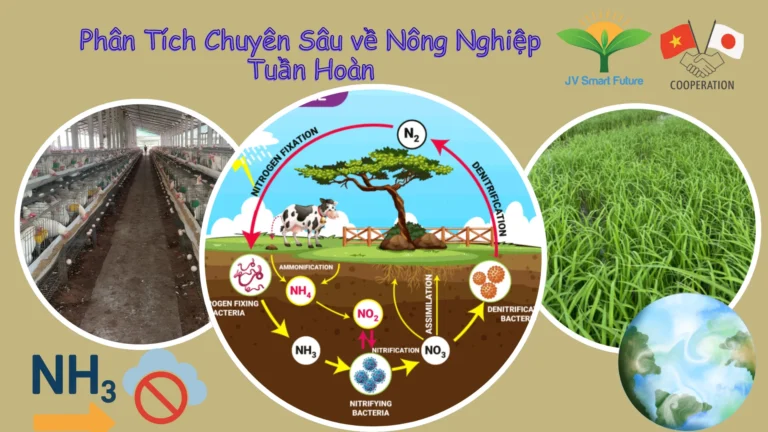
- Odor Elimination at the Source: The product can thoroughly treat odorous toxic gases such as NH3, H2S, making the air in the barn fresher and reducing stress on the animals.
- Insect Repellent: Helps to naturally repel flies, gnats, and other disease-carrying organisms, reducing the risk of cross-contamination.
- Enhances Beneficial Microorganisms: Supports the growth of beneficial microbial systems, inhibits harmful bacteria, thereby improving the overall resistance and health of the cattle herd.
- Safe and Cost-effective: It is a completely safe product for humans, animals, and the environment, while also helping to save costs in barn management.
The product can be applied flexibly through various methods such as direct spraying in the barn, mixing into water baths, or using during manual cleaning processes. For more detailed information about the product, you can refer to: Environmental Treatment Product Organic carbon (Nema1).
Part 5: Health Management and Disease Prevention
The intensive, high-density farming model, while economically efficient, also poses significant challenges for herd health management. The concentrated environment creates favorable conditions for pathogens to emerge and spread rapidly if a strict monitoring and disease prevention program is not in place.
5.1. Common Diseases in Fattening Models
Diseases in the fattening model are often directly related to the high-energy diet and concentrated living conditions.
Digestive diseases are the leading and most common risk group:
- Rumen Bloat: This is an acute, dangerous condition that often occurs when cattle consume too much easily fermentable feed (such as young grass, legumes, or a large amount of concentrate) or due to sudden dietary changes. The gas produced in the rumen cannot be eructated in time, accumulating and causing the left abdomen to swell, compressing the diaphragm and lungs, leading to difficulty breathing and potentially rapid death from asphyxiation if not treated promptly. The most effective emergency intervention is to use a specialized tool called a trocar to puncture the abdominal wall and rumen at the left paralumbar fossa, releasing the gas.
- Acidosis (Rumen Acidosis): This is a common metabolic disorder, a direct consequence of feeding a diet with an excessively high proportion of concentrate. The large amount of starch is fermented rapidly in the rumen, producing a large amount of lactic acid, which causes a sudden drop in the rumen’s pH. Common symptoms include reduced appetite, decreased rumination, loose, frothy diarrhea, and in chronic cases, can lead to serious complications such as laminitis, sole ulcers, and liver abscesses. Prevention is the most important measure, through gradual diet adjustment and ensuring an adequate supply of necessary fiber.
Respiratory Diseases:
- Pneumonia (Bovine Respiratory Disease Complex – BRD): This is an extremely common disease and one of the leading causes of economic loss and mortality in high-density confined cattle. The disease often occurs from a combination of factors: stress (from transport, environmental changes), viral infections that weaken the immune system, followed by opportunistic bacterial infections (like Pasteurella, Mycoplasma) causing respiratory inflammation. Environmental factors such as damp housing, poor ventilation, and sudden weather changes increase the risk of an outbreak. Typical symptoms include high fever, coughing, difficulty breathing, rapid breathing, and excessive nasal discharge.
Other Infectious and Parasitic Diseases:
- Foot-and-Mouth Disease (FMD) and Hemorrhagic Septicemia (HS): These are two dangerous infectious diseases that can spread very quickly and cause severe economic losses. The effective and mandatory preventive measure is complete and regular vaccination of the entire herd.
- Blood-borne Parasitic Diseases: Diseases such as Babesiosis or Trypanosomiasis are transmitted by intermediate hosts like ticks and flies. The diseases cause symptoms of prolonged high fever, anemia, jaundice, and physical weakness. Therefore, controlling and eliminating ectoparasites in and around the barns is a crucial part of the disease prevention program.
- Liver Fluke Disease: Liver flukes parasitize the liver, causing damage to the liver parenchyma, reducing liver function, and leading to the cattle becoming thin, slow-growing, and having reduced feed efficiency. Regular deworming for liver flukes with specific drugs is a mandatory requirement in the veterinary protocol.
5.2. Health Monitoring and Early Disease Detection
Early detection of disease and timely intervention are key to minimizing losses and preventing the spread of disease within the herd.
- Daily Observation: Farmers should spend time carefully observing the herd, especially during feeding times. Early warning signs to look out for include: an individual cow going off-feed or eating poorly, separating itself from the herd, showing signs of lethargy or fatigue, abnormal gait, or changes in the consistency of manure (too loose, too dry, or containing blood or mucus). Any of these signs should be investigated and addressed immediately.
- Periodic Monitoring: Monitoring weight gain is an important management tool. Cattle should be weighed or measured periodically every month. This data not only helps to evaluate the effectiveness of the diet but is also a critical health indicator. A cow that is not gaining weight or is losing weight is a clear sign of an underlying health problem. Maintaining complete records of feed, weight gain, vaccination schedules, and disease treatments is an indispensable management tool in professional farming.
Part 6: Techno-Economic Analysis and Risk Management
For a livestock model to survive and develop sustainably, technical factors must be translated into economic efficiency. A careful analysis of costs, profits, and potential risks will help farmers make strategic and effective investment and operational decisions.
6.1. Cost and Profit Accounting
A detailed accounting statement is the basic tool for assessing the feasibility and profitability of the model. The main cost items include:
- Cost of Feeder Cattle: This usually accounts for the largest proportion of the total initial investment. The price depends on the breed, age, and weight.
- Feed Costs: This is the largest operating expense, accounting for 40% to 60% of total production costs. It is also the biggest variable and the key determinant of profit, where optimization measures can yield the most significant results.
- Veterinary Costs: Includes the cost of vaccines, dewormers, and other therapeutic drugs.
- Housing and Equipment Costs: These are fixed investment costs. Depreciation costs over the asset’s lifespan should be calculated and included in the product cost.
- Other Costs: Includes costs for electricity, water, transportation, and labor (if any).
The profit of the model is calculated by the formula: Profit = (Selling Price/kg live weight x Sale Weight) – Total Costs. A well-managed 3-month fattening cycle can yield a profit of 3 to 5.2 million VND per head.
A successful fattening model is not necessarily the one that achieves the highest daily weight gain at any cost. Instead, the optimal model is the one that achieves the highest profit per dollar of feed cost. This requires a strategic balance between using expensive commercial feeds to maximize weight gain and utilizing cheap agricultural by-products to reduce costs.
For example, a model relying solely on commercial feed might achieve a weight gain of 1.2 kg/day, but with high feed costs. Meanwhile, a model that incorporates brewer’s grains and urea-treated straw might only achieve a weight gain of 0.9 kg/day, but with significantly lower feed costs. When calculating the “feed cost per kg of weight gain,” the second model may prove to be more economically efficient, especially in the context of fluctuating commercial feed prices and unstable live cattle prices. The choice of strategy depends on the specific conditions of each farm and the market context, but focusing on cost-efficiency rather than just absolute weight gain will lead to more sustainable business decisions.
6.2. Risk Analysis and Management
Cattle fattening, despite its profit potential, still faces many inherent risks.
- Market Risk: This is the largest and most difficult risk to control. The price of animal feed, especially industrial ingredients, tends to increase continuously due to reliance on imports. Meanwhile, the output price of live cattle is very volatile, depending on domestic supply and demand and meat import policies, which can lead to heavy losses for farmers even if they have done well technically.
- Disease Risk: The outbreak of dangerous infectious diseases like FMD or HS can cause mass losses. Even common illnesses like digestive disorders or pneumonia increase veterinary costs, reduce weight gain, and affect profitability.
- Technical Risk: Selecting poor-quality feeder cattle, formulating an unbalanced diet, or poor management practices will lead to slow growth, high feed consumption, and failure to meet the set techno-economic targets.
- Feed Supply Risk: In Vietnam, the area of natural pastures and grazing lands is shrinking. Reliance on seasonal agricultural by-products can lead to shortages or inconsistent quality.
6.3. Solutions for Enhancing Efficiency and Sustainable Development
To manage risks and improve efficiency, farmers need to apply a comprehensive set of strategic solutions.
- Proactive Feed Sourcing: This is the most fundamental solution to reduce costs and dependence. It is necessary to invest in planting high-yield grass varieties (such as elephant grass, Mulato II), while fully applying technologies for processing and preserving agricultural by-products (such as corn stalk silage, straw ammoniation) to create a source of high-quality, cheap, and stable feed year-round.
- Adopting Advanced Science and Technology: Prioritize the use of specialized beef crossbreeds with high growth potential. Strictly apply the Total Mixed Ration (TMR) feeding technique to optimize digestion and nutrient absorption, thereby improving feed conversion efficiency.
- Strengthening Biosecurity: Establish and strictly adhere to a sanitation and disinfection protocol for the barns. Fully and timely implement the vaccination program. At the same time, set up a daily health monitoring system for the herd to detect and address issues early.
- Developing along the Value Chain: Instead of operating individually, farming households should join cooperatives. Linking with slaughtering, processing, and distribution enterprises will help stabilize the market outlet, reduce price pressure from traders, and gradually build a brand for high-quality Vietnamese beef in the market.
References and Further Guidance
For more detailed information and in-depth technical guidance on the high-quality beef cattle fattening process, farmers can refer to the technical guidance document from the Binh Dinh Agricultural Extension Center. This is a valuable resource that provides practical and easy-to-apply knowledge.