In the context of modern agriculture facing numerous challenges from soil degradation, climate change, and increasingly stringent requirements from export markets, finding a sustainable, effective, and safe organic chili cultivation solution is a top priority. Especially for the chili plant, a crop with high economic value but also very sensitive to pests, diseases, and soil conditions, applying advanced technologies to reform the production foundation is extremely urgent. This report will deeply analyze a breakthrough solution from Japan – Organic Carbon NEMA2. This is not just a conventional soil conditioner, but a biological catalyst based on material science, promising to comprehensively change the chili cultivation process, from creating a healthy soil ecosystem, optimizing nutrient efficiency, to building a natural “immune system” for the crop. Through this, the report will provide a comprehensive view of NEMA2’s potential in enhancing chili yield, quality, and meeting the strictest organic standards for the export market.
Part 1: The Scientific Foundation of Organic Carbon NEMA2 – A Soil Improver and Biological Catalyst
1.1. Decoding the Material Essence: Atomic Carbon Structure and Superior Physico-Chemical Properties
Organic Carbon NEMA2 is an advanced biotechnology product from Japan, which has received Organic Certification according to the standards of the Japanese Ministry of Agriculture, Forestry and Fisheries (OMJ). Fundamentally different from traditional organic fertilizers or biochar, NEMA2 is not a mixture of raw organic substances but a standardized material built on a unique material science platform. The core of the product is a special form of organic Carbon material, described as
“Organic Carbon”. These are free, single carbon atoms that have not undergone complete graphitization. This structure gives the material extremely high chemical surface activity, although it has a dense and non-porous structure unlike biochar. The ultra-fine particle size, at the nano-level (about 0.16 nm), is a breakthrough technological factor, allowing the carbon particles to easily penetrate deep into the microstructures of the soil and interact at a cellular level. This difference is the foundation for NEMA2’s mechanism of action. While traditional soil conditioners like biochar primarily work based on physical structure (porosity for water retention and microbial habitat), NEMA2 acts as a chemo-biological catalyst. Its effectiveness comes from the intrinsic chemical activity of its unsaturated carbon atoms, not from its physical structure. Positioning NEMA2 as a “material science-based” solution rather than a conventional “fertilizer” is key to understanding its unique application strategy and effectiveness. The main physico-chemical properties that determine NEMA2’s mechanism of action include:
- Strong alkalinity: The product has a very high pH index, usually greater than 8.0. This property makes NEMA2 an effective acid neutralizer in the soil, similar to agricultural lime but with a more complex mechanism.
- High reduction potential: NEMA2 creates an environment with a very negative Oxidation-Reduction Potential (ORP), around –200 mV. This strong reducing environment has an antioxidant effect, protecting sensitive biological compounds and structures in the soil.
- Non-conductive: The carbon material in NEMA2 has insulating properties, helping to protect the cell membranes of microorganisms from abnormal ion flows that can cause stress or damage.
These properties do not exist in isolation but work together, creating a chain of synergistic effects on the soil ecosystem, thereby improving crop health and productivity.
1.2. Comprehensive Mechanism of Action on the Soil Ecosystem
The effectiveness of NEMA2 is not the result of a single action but a chain of complex interactive mechanisms, starting with changing the physico-chemical foundation of the soil, then activating natural biological processes, and finally enhancing the overall health of the crop.
1.2.1. Physico-Chemical Impact: Building the physical foundation for root development
One of the most direct and noticeable impacts of NEMA2 is its ability to improve the physical structure of the soil.
- Neutralizing soil acidity: With its strong alkalinity (pH > 8.0), NEMA2 acts as a pH regulator, helping to neutralize excess acid in soils that have become acidified due to long-term cultivation or unbalanced use of chemical fertilizers. Bringing the soil pH to the optimal range for the crop is a fundamental step, helping to release fixed nutrients and limit the toxicity of heavy metals like aluminum (Al) in acidic, aluminous soils.
- Improving soil structure: NEMA2 is noted for its ability to break up compacted soil structure, making the soil more friable and airy. Organic carbon, in general, acts as a natural “glue,” binding individual soil particles (clay, silt, sand) into stable aggregates. This structure creates micro-capillaries and pore spaces in the soil, which improves drainage, prevents waterlogging, and at the same time increases moisture and air retention in the soil, creating ideal conditions for root development.
1.2.2. Bio-Chemical Impact: Activating nutrient cycles and enhancing fertilizer efficiency
NEMA2 acts as a powerful biological catalyst, intervening in and optimizing essential nutrient cycles in the soil.
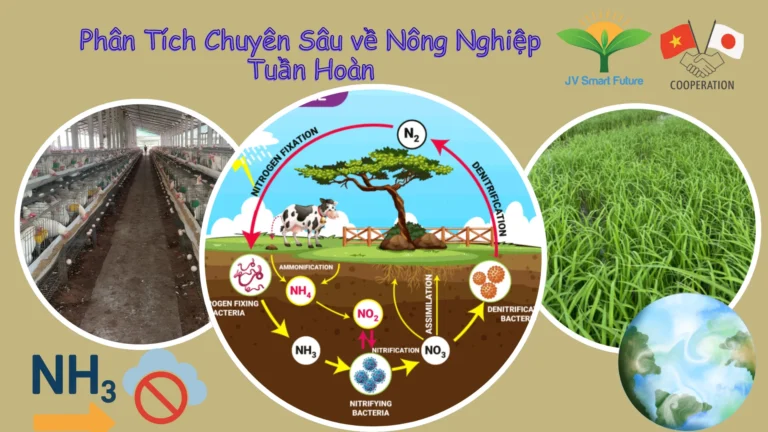
- Enhancing nitrogen transformation and stabilization: This is one of the most clearly researched and demonstrated mechanisms. NEMA2 promotes the mineralization process, helping to convert complex organic nitrogen compounds in the soil into inorganic ionic forms that plants can directly absorb, namely ammonium (NH₄⁺) and nitrate (NO₃⁻). An experimental study in collaboration with Can Tho University showed that with a dose of only 200g of NEMA2 per 1000 m2, the nitrogen conversion capacity in the soil increased threefold compared to the control. More importantly, NEMA2 also helps stabilize nitrogen in the soil, reducing losses due to volatilization (as NH₃) or leaching, thereby helping to reduce the amount of NPK fertilizer needed by up to 30% while still ensuring effectiveness.
- “Enzyme Docking Site” Mechanism: One of the unique and core scientific mechanisms of NEMA2 is its ability to act as a “docking site” for enzymes and microorganisms. The material’s highly active carbon surface can adsorb and hold decomposition enzymes (e.g., cellulase, protease) right at the point of contact with the organic substrate (such as plant residues, manure). “Pinning” the enzymes where they are needed allows biochemical reactions to occur in a much more focused and efficient manner, accelerating the decomposition of organic matter, formation of humus, and regeneration of a nutrient-rich topsoil layer.
1.2.3. Microbiological Impact: Steering the soil microbial community in a beneficial direction
NEMA2 not only affects the chemical and physical properties of the soil but also creates a favorable environment for beneficial microorganisms to thrive, while inhibiting harmful ones.
- Stabilizing Enzymes and Creating Conditions for Reductive Microorganisms: The environment with a strong negative ORP (high reduction potential) created by NEMA2 acts as an antioxidant, helping to protect important decomposition enzymes in the soil from oxidation and denaturation, thereby extending their active lifespan. At the same time, this reducing environment is also ideal for the vigorous growth of beneficial reductive microorganisms, such as the antagonistic fungus Trichoderma spp..
- Protecting Microbial Cell Membranes: The non-conductive property of the carbon material in NEMA2 helps create a “safe zone” for microorganisms. It protects their cell membranes from abnormal ion flows or potential differences in the soil solution, factors that can cause stress and reduce microbial activity.
- Stimulating Antagonistic Organisms and Nutrient Synthesis: By creating an ideal living environment (in terms of pH, ORP, and structure), NEMA2 stimulates the growth of a diverse population of antagonistic microorganisms. These microorganisms compete with and overwhelm harmful pathogens in the soil, especially fungi and nematodes that prefer acidic environments. In addition, NEMA2 also provides energy for soil microorganisms, promoting them to synthesize and release essential amino acids, providing an easily absorbable source of organic nutrition for the crop.
Part 2: Strategic Application of NEMA2 in Chili Cultivation – From Theory to Field Practice
2.1. Agronomic Profile of the Chili Plant: Analyzing essential requirements and inherent weaknesses
The chili plant (
Capsicum spp.) is a crop of high economic value but also demands strict cultivation techniques and is very sensitive to adverse environmental conditions, especially from the soil. To apply NEMA2 effectively, a deep analysis of the requirements and weaknesses of the chili plant is essential.
- Soil Requirements: The chili plant grows best on soils with a friable, airy structure and good drainage, such as light loam, sandy loam, or alluvial soil. This is a prerequisite because chili roots are very sensitive to waterlogging, a major cause of root rot. The ideal soil pH for chili is between 5.5 and 6.5. Within this pH range, most macro, meso, and micro-nutrients are in their most readily available forms for the plant.
- Nutrient Demand: Chili is classified as a “heavy feeder,” requiring a large and balanced amount of nutrients for high yield and good quality. The plant’s nutrient demand peaks during critical stages such as flowering and fruit development. The most essential elements include Nitrogen (N) for vegetative growth, Potassium (K) for sugar transport, plant rigidity, and fruit quality, and especially Calcium (Ca). Unbalanced fertilization, especially excess nitrogen, will cause the plant to develop lush, weak foliage, reduce fruit set rates, and increase susceptibility to pests and diseases. Calcium deficiency is a common cause of blossom-end rot, which severely reduces commercial value.
- Major Pests and Diseases: The chili plant is a host to many types of pests and diseases, with soil-borne diseases being the biggest threat, especially in the hot and humid weather conditions of Vietnam.
- Fungal Diseases: The most common and dangerous diseases include wilt (caused by Fusarium sp., Sclerotium rolfsii), damping-off (caused by Phytophthora sp.), and anthracnose which causes fruit rot (caused by Colletotrichum spp.). These fungi often thrive in conditions of high soil moisture, high temperature, and especially acidic, poorly drained soil.
- Bacterial Diseases: Bacterial wilt caused by Ralstonia Solanacearum (formerly _Pseudomonas solanacearum_) is one of the most feared diseases, capable of causing mass plant death. This bacterium persists in the soil for a long time and enters through root wounds, thriving at high temperatures and in moist soil.
- Nematodes: Root-knot nematodes (Meloidogyne spp.) not only directly weaken the plant by sucking nutrients from the roots but are more dangerous by creating thousands of wounds, paving the way for pathogenic fungi and bacteria to enter, forming a complex “disease complex.”
- Sucking Insects: Thrips are a serious pest, not only sucking sap causing curled leaves and shoots, but also being the main vector for viral diseases (leaf curl, mosaic). Once a plant is infected with a virus, there is almost no effective remedy.
The analysis above reveals a “vicious cycle” of challenges in chili cultivation: the plant needs moist soil but is extremely sensitive to diseases that thrive in moist environments; the plant needs a lot of nutrients, but improper fertilization increases the risk of disease; and acidic soil, common in many areas, acts as a catalyst for the most dangerous pathogens.
2.2. NEMA2 – The Solution to Core Challenges in Chili Cultivation
With the mechanisms of action analyzed in Part 1, NEMA2 provides a set of fundamental solutions, simultaneously addressing the inherent weaknesses of the chili plant. The comparison table below clarifies the direct link between the challenges in chili cultivation and the solutions that NEMA2 offers.
Table 1: Comparison of Chili Plant Challenges and NEMA2 Solutions
| Challenge/Need of Chili Plant |
NEMA2’s Resolution Mechanism |
Practical Outcome for the Chili Garden |
| Acidic soil, pH < 5.5, causing toxicity and limiting nutrient uptake |
Strong alkalinity (pH > 8.0) effectively neutralizes soil acidity. |
Raises and stabilizes soil pH to the optimal range (5.5-6.5), releases locked-up nutrients (especially Phosphorus), reduces heavy metal toxicity, creates a favorable environment for plant growth. |
| Compacted, poorly drained soil, causing waterlogging and root rot |
Breaks up compacted soil structure, promotes aggregate formation, makes soil friable, increases aeration and drainage capacity. |
Significantly reduces the risk of root rot due to waterlogging, creates space for deep and wide root development, increases drought tolerance and nutrient uptake. |
| Susceptible to soil-borne diseases (bacterial wilt, fusarium wilt, damping-off) |
Creates a soil environment with high pH and aeration, unfavorable for acid-loving pathogenic fungi/bacteria. Stimulates the growth of beneficial antagonistic microorganisms like Trichoderma. |
Builds a “biological defense barrier” right in the soil, proactively suppressing pathogens from the source, reducing the pressure and frequency of chemical pesticide use. |
| High nutrient demand, easy loss of fertilizer during irrigation |
Enhances mineralization and nitrogen transformation; Reduces NPK fertilizer loss by up to 30% thanks to nutrient stabilization and biological catalysis. |
Optimizes fertilizer use efficiency, helping farmers save on input costs while ensuring a sustainable and adequate nutrient supply for the crop throughout the season. |
| Prone to blossom-end rot due to Calcium (Ca) deficiency |
Improves the soil’s cation exchange capacity (CEC) (a general effect of organic carbon), helping the soil retain positive nutrient ions like Ca^{2+} more effectively and supply them gradually to the plant. |
Enhances the plant’s Calcium uptake, reduces the incidence of blossom-end rot, thereby improving the quality, appearance, and commercial value of the chili fruit. |
2.3. Building an “Immune System” for the Chili Garden: The Role of NEMA2 in Integrated Pest Management (IPM)
Within the framework of Integrated Pest Management (IPM), NEMA2 does not act as a specific “pesticide” but as a strategic tool, helping to build a robust cultivation foundation with self-defense capabilities.
2.3.1. Proactive Defense: Suppressing Soil-Borne Pathogens
The greatest value of NEMA2 in IPM is its ability to change the soil environment to be unfavorable for pathogens. Instead of waiting for diseases to appear and then using chemical pesticides to control them, using NEMA2 right from the soil preparation stage is a proactive disease prevention measure. By raising the soil pH, improving friability and aeration, NEMA2 creates an unfavorable “battleground” for the development of dangerous fungal pathogens like
Fusarium,
Phytophthora, and the bacterium
Ralstonia Solanacearum, which prefer acidic and anaerobic soil environments. At the same time, it creates ideal conditions for natural antagonistic microorganisms like
Trichoderma to develop, helping to establish a beneficial biological balance that competes with and destroys pathogens right in the soil. This approach reduces dependence on chemical fungicides and bactericides, which can harm the soil ecosystem and leave residues in agricultural products.
2.3.2. Enhancing Internal Health: Indirectly Reducing Damage from Sucking Insects
A healthy, well-balanced plant has a better ability to defend itself against pest attacks. This is a fundamental principle in sustainable agriculture. Sucking insects like thrips are often attracted to stressed or weakly growing plants with nutritional imbalances (e.g., plants with excess nitrogen have soft, succulent new leaves). NEMA2, through its comprehensive improvement of the soil environment, helps the chili plant’s root system develop healthily, optimizing the balanced uptake of water and nutrients. A chili plant supplied with adequate and balanced nutrients will have stronger cell walls and a more effective internal chemical defense system (production of secondary metabolites). Therefore, although NEMA2 is not an insecticide, it contributes to making the chili plant “less attractive” and more resilient to thrips. This is an indirect but extremely important benefit because thrips are the main vector of viral diseases. Reducing the thrips population means minimizing the risk of a virus outbreak, one of the most difficult challenges in chili cultivation.
Part 3: Integrated Technical Process with NEMA2 – Maximizing Chili Yield and Quality
To fully realize the potential of NEMA2, the product needs to be integrated into a systematic, scientific cultivation process, harmoniously combined with other technical measures. The use of NEMA2 should be seen as a strategic investment in the farmer’s most important “asset”: soil health.
3.1. Optimal NEMA2 Application Process for Sustainable Cultivation
Based on technical documents and recommendations, a sustainable NEMA2 application process for chili, focusing on long-term soil health, includes two main treatments per season.
- Recommended dosage: The standard dosage for short-term crops and fruit trees in general is 1-2 kg/ha.
- Application timing:
- Soil preparation stage, before planting: This is the “golden” and most crucial time. Early treatment allows the product enough time to interact, improve the physico-chemical structure, and activate the soil microbial system before seedlings are planted, creating a solid foundation for the entire season.
- Post-harvest recovery stage: After the harvest season ends, the soil and plants are depleted of nutrients. Supplementing with NEMA2 at this time helps restore soil health, regenerate the plant’s root system, and prepare the foundation for the next crop or the next fruit set.

Image of NEMA2 being used in a chili garden in Hai Duong, resulting in effective soil improvement and high yield
The table below summarizes an integrated cultivation schedule with NEMA2 for 1 hectare of chili, focusing on two main applications to optimize effectiveness and cost.
Table 2: Integrated Cultivation Schedule with NEMA2 for 1 Hectare of Chili
| Stage |
Main Objective |
Activity with NEMA2 |
Coordinated Activities (Reference) |
Important Note |
| 1. Soil Preparation (5-7 days before planting) |
Comprehensive soil improvement, elimination of pathogens, creating an optimal environment for the root system. |
Dosage: 1.5 kg NEMA2. Method: Mix with 1000-2000L of water, spray evenly on the soil before the final plowing. |
Basal fertilizer: 8-10 tons of composted manure + 500kg of lime (if soil is acidic) + 500kg of Superphosphate + 150kg of NPK (16-16-8). Create high, well-drained beds. |
This is the most important NEMA2 application, creating a solid foundation for the entire season. Ensure it is mixed evenly into the soil. |
| 2. Seedling & Fruit Development |
Promote plant growth, flowering, fruit set, and fruit development. |
No NEMA2 application (the plant benefits from the basal application and healthy soil foundation). |
Apply top dressing periodically according to the plant’s growth stages (branching, flowering, fruit development) with appropriate NPK formulas and micronutrients. |
|
| 3. Post-Harvest Recovery |
Restore soil health, regenerate roots, help the plant recover and prepare for the next fruit set/season. |
Dosage: 1.0 – 1.5 kg/ha. Method: Mix with 500-1000L of water, drench the root zone to help the plant recover and improve the soil. |
Prune old, diseased branches to help the plant focus nutrients on new shoots. Apply supplementary organic fertilizer and NPK for the plant to regenerate nutrients for the next fruit set. |
Restoring the soil and plant after harvest is key to extending the productive life of the chili garden and maintaining stable yields. |
3.2. The “Golden” Principle of Coordination: Optimizing effectiveness when combining NEMA2 with other inputs
The true power of NEMA2 is maximized when it is combined intelligently and scientifically with other agricultural inputs.
- With organic and composted manure: This combination yields the strongest synergistic effect. Mixing NEMA2 into the composting process for manure or organic fertilizer significantly shortens the decomposition time, effectively eliminates odors, and most importantly, enriches the beneficial microbial population in the compost. NEMA2 acts as a catalyst, accelerating the breakdown of cellulose and complex compounds, turning organic fertilizer into a high-quality biological nutrient source.
- With chemical fertilizers (NPK): NEMA2 does not replace chemical fertilizers but acts as a “powerful assistant.” By enhancing nutrient conversion and reducing nutrient loss, NEMA2 helps the crop “consume” fertilizer more efficiently. This allows growers to reduce the amount of NPK fertilizer by up to 30% compared to conventional processes while still ensuring, or even increasing, yields. This is a direct and very significant economic benefit.
- With microbial inoculants (e.g., Trichoderma, Bacillus): NEMA2 creates an ideal “home” for beneficial microbial strains. By adjusting soil pH, ORP, and structure, NEMA2 builds a perfect living environment for these microbial “warriors” to maximize their effectiveness in combating fungal diseases and breaking down nutrients.
3.3. Evaluating Investment Effectiveness and Sustainable Benefits
Investing in NEMA2 is not just a cost for one season but an investment in the long-term health of the land. A cost-benefit analysis needs to consider both quantitative and qualitative factors.
Cost-Benefit Analysis:
- Costs: The cost of purchasing NEMA2 for two applications per season.
- Direct Benefits (Quantifiable):
- Savings on fertilizer costs: A reduction of about 30% in NPK fertilizer, a significant saving in total investment costs.
- Reduced pesticide costs: Reducing the pressure from soil-borne diseases (bacterial wilt, root rot) will help decrease the frequency and dosage of chemical fungicides and bactericides.
- Increased yield and quality: Although specific data on yield increase for chili is not yet available, the general goal of the product is to increase yield and quality. Reducing the rate of blossom-end rot and improving fruit color and firmness will increase the percentage of grade-A fruit, which can lead to higher selling prices.
- Indirect and Sustainable Benefits (Difficult to quantify but highly valuable):
- Long-term soil health improvement: NEMA2 contributes to increasing humus content, improving soil structure and biological activity, and combating soil degradation. Healthy soil is a priceless asset, ensuring stability for agricultural production for many years.
- Reduced environmental impact: Reducing the use of chemical fertilizers and pesticides helps minimize pollution of groundwater and the agricultural ecosystem, moving towards a greener and more sustainable agriculture.
- Reduced production risk: By building a cultivation system with high resistance, NEMA2 helps reduce the risk of crop failure due to soil-borne disease outbreaks, providing more stability and peace of mind for farmers.
Part 4: Targeting the Export Market – Growing Organic Chili to International Standards
4.1. Barriers and Standards of the International Market
Export markets, especially demanding ones like the European Union (EU), the United States, and Japan, are increasingly setting strict requirements for food safety and sustainable cultivation. For chili products, the two main technical barriers are the Maximum Residue Limits (MRLs) for pesticides and organic certification standards.
- Maximum Residue Limits (MRLs): The EU has very strict regulations on MRLs. Notably, due to some shipments from Vietnam being found in violation, chili peppers are on a special control list with an inspection frequency at the border of up to 50%. Violating MRLs not only results in the shipment being returned but also affects the reputation of Vietnamese agricultural products in the international market.
- Organic Standards: Certifications like EU Organic or USDA Organic require a cultivation process completely free of synthetic chemicals (chemical fertilizers, pesticides, herbicides) and genetically modified organisms (GMOs). The foundation of organic farming is to build a balanced agricultural ecosystem, focusing on maintaining and enhancing soil fertility and protecting biodiversity.
In this context, transitioning to organic cultivation is not just a trend but a strategic solution to overcome technical barriers, increase product value, and access high-end markets.
4.2. NEMA2 – A Foundational Tool for Organic Chili Cultivation
Organic Carbon NEMA2, with its nature and mechanism of action, is an ideal tool for building an export-oriented organic chili cultivation model.
- A certified input material: NEMA2 itself has achieved JAS organic certification from Japan, one of the most reputable standards in the world. This ensures that NEMA2 is a suitable and accepted input material in other international organic cultivation processes, such as EU Organic.
- Building “Soil Health” – The Pillar of Organic Agriculture: The core principle of organic agriculture is to “feed the soil to feed the plant.” NEMA2 directly implements this principle. By improving soil structure (increasing friability, water retention), balancing pH, and most importantly, providing a source of highly active organic carbon as food for the soil microbial system, NEMA2 helps re-establish and maintain a vibrant, naturally fertile soil. Healthy soil will provide sustainable nutrition for the plant, eliminating dependence on chemical fertilizers.
- An alternative to chemical pesticides: One of the biggest challenges in organic farming is pest and disease management. NEMA2 helps address this problem at its root. By creating a soil environment with a pH and physical conditions unfavorable to acid-loving pathogens like Fusarium, Phytophthora, and bacterial wilt, while stimulating beneficial antagonistic microorganisms, NEMA2 helps form a natural biological defense mechanism in the soil. This helps to proactively minimize pest and disease pressure, drastically reducing the need for chemical pesticides, thereby ensuring that the chili product is free of harmful chemical residues and meets the strictest MRL standards.
By integrating NEMA2 into the process, farmers can build a sustainable organic chili cultivation system that not only meets strict export standards but also improves soil health for future seasons, producing a product with superior quality and economic value.
In summary, integrating Organic Carbon NEMA2 into the chili cultivation process is not just a simple technical solution but a comprehensive investment strategy aimed at solving core problems from the root, optimizing the efficiency of input use, and building a sustainable production foundation for the future.
See More