A Comprehensive Guide to Modern Pig Farming
Pig farming is a crucial economic sector with a long history in Vietnam. However, to succeed in today’s competitive market and amidst disease challenges, farmers can no longer rely solely on traditional experience. A professional farming model, whether at the household or farm scale, demands systematic investment in knowledge, technology, and strategy. Effective pig farming tips not only help increase productivity but also ensure sustainable development.
This article provides a comprehensive handbook, systemized from legal regulations, scientific research, and practical experience, to equip beginners with a solid foundation. We will deeply analyze the two main farming models—household and farm—across all aspects, from planning, housing construction, breed selection, and nutritional management, to biosecurity and environmental handling. The goal is to transform farming from a seasonal, luck-based job into an efficient, sustainable, and profitable business.
Part I: Planning and Professional Direction for Pig Farming
The first and most decisive step on the path to professional farming is creating a clear business plan. The choice of model and scale not only affects the initial investment but also determines the entire legal framework and operational procedures that follow.
1.1. Model Analysis: The Foundation for Strategic Decisions
Choosing between a household and a farm model is a strategic turning point. Each model has its own characteristics, advantages, and disadvantages, suiting different goals and resources.
Household Model
- Definition and Characteristics: As defined by the Law on Livestock Production 2018 and related guiding documents, household farming is a form of livestock activity organized within a family with a scale of less than 10 Livestock Units (LU). This model often utilizes available resources such as land, family labor, and local agricultural by-products to reduce input costs.
- Advantages:
- Low investment capital: Does not require large expenses for large-scale housing construction and modern equipment.
- Flexible and resourceful: Easily utilizes available feed sources like vegetables, tubers, rice bran, and brewer’s grains, significantly reducing feed costs, which is the largest expense in farming.
- Suitable for niche markets: Can focus on specialty native pig breeds (like Man pigs, Co pigs, F1 wild boar hybrids) which have flavorful meat, are favored by the market, and sell at a higher price than industrial pigs.
- Disadvantages & Challenges:
- Difficult disease control: Due to simple housing conditions often close to living areas, the risk of pathogen transmission is higher.
- Inconsistent productivity: The quality of breeding stock and self-mixed feed is often unstable, leading to uneven herd growth and low productivity.
- Technological limitations: Difficult to apply advanced farming technologies like climate-controlled housing or automated feeding systems.
- Difficult traceability: Lack of proper record-keeping makes it hard for products to access modern distribution channels and clean food supply chains.
Farm Model
- Classification by Scale: The Law on Livestock Production 2018 and Decree 13/2020/ND-CP (amended by Decree 46/2022/ND-CP) provide clear classifications based on the total number of Livestock Units (LU):
- Small-scale farm: From 10 to less than 30 LU.
- Medium-scale farm: From 30 to less than 300 LU.
- Large-scale farm: From 300 LU and above.
- Requirements & Characteristics: This is a concentrated farming form in a separate area, away from residential zones, dedicated to production and business. This model requires a very large initial investment, application of high technology, professional management processes, and strict compliance with legal regulations on safety distances, environmental protection, and biosecurity. The inevitable trend for modern farms is to participate in value chains, from breeding stock and feed to slaughter and distribution.
The initial decision on scale is not just a number; it is a strategic choice that shapes the entire project. For example, a beginner might consider raising 20 sows. According to the conversion factor in Annex V of Decree 13/2020/ND-CP, one sow is equivalent to 1.0 LU, so 20 sows would be 20 LU. When cross-referenced with Article 21 of this Decree, this scale is immediately classified as a “Small-scale farm.” Being defined as a “farm” rather than a “household” triggers a series of much stricter legal requirements, including the need to build at a location compliant with safety distances, have a standard waste treatment system, and possibly register as a business enterprise or cooperative. This is a crucial point that beginners must calculate carefully from the outset to avoid legal troubles and miscalculate investment capital.
1.2. Mandatory Legal Framework: Compliance for Sustainable Development
Livestock farming is no longer a spontaneous activity. The Law on Livestock Production 2018 has defined it as a conditional business sector, requiring farmers to adhere to strict regulations to ensure disease safety, environmental protection, and public health.
- Overview of the Law on Livestock Production 2018: This law is the highest legal document governing all livestock activities. Notably, Article 12 specifies prohibited acts, including:
- Farming in prohibited areas of cities, towns, and residential areas (except for pets).
- Using banned substances in livestock production.
- Using antibiotics in feed for growth promotion purposes.
- Discharging untreated or inadequately treated livestock waste into the environment.
- Regulations on Safety Distances: This is one of the most important and frequently violated requirements. The regulations have been updated and must be strictly followed:
- For Farms: The construction location must be consistent with the local socio-economic development plan.
- Large-scale farms must be at least 400 meters from residential areas.
- Large-scale farms must be at least 500 meters from schools, hospitals, markets, and public water sources.
- The minimum distance between two farms owned by different entities is 50 meters.
- For Households: The requirements are simpler but mandatory: the housing must be separate from human living quarters.
- For Farms: The construction location must be consistent with the local socio-economic development plan.
- Registration and Operational Conditions:
- Farms: Must meet all conditions specified in Article 55 of the Law on Livestock Production 2018, including a suitable location, adequate quality water sources, environmental protection measures, appropriate housing and equipment, and records of operational processes to ensure traceability. In particular, large-scale farms must have a Certificate of Eligibility for Livestock Production issued by the Department of Agriculture and Rural Development, which involves a process of file appraisal and on-site inspection.
- Households: Must meet the requirements in Article 56 of the Law on Livestock Production 2018, mainly focusing on ensuring regular sanitation and disinfection of housing and having appropriate waste collection and treatment measures to avoid environmental pollution.
Part II: Physical Foundation – Optimal Housing Design and Construction
Housing design is not just about building a shelter for animals. A smart design is the physical foundation that determines management efficiency, disease control, productivity, and operational costs. This is one of the most important pig farming tips for beginners.
2.1. Golden Principles in Overall Planning
Regardless of the scale, the layout of the housing area should adhere to the following basic principles:
- Construction Site: Choose a high, dry, flat or gently sloping location that allows for easy drainage to avoid flooding and dampness, which are ideal environments for pathogens to thrive. The location should be near a clean water source to ensure sufficient supply for the pigs’ needs and for cleaning, and must have enough space to build a waste treatment system as required.
- Housing Orientation: The ideal housing orientation in Vietnam is East or Southeast. This direction allows the barn to receive morning sunlight, which helps to disinfect and dry the floor, while avoiding the cold Northeast monsoon in winter and the hot, dry West wind in summer.
- Layout Planning: Within a farming area, facilities should be arranged scientifically. The waste treatment area (biogas digester, compost area) must be located downwind from the housing area. Barns should be arranged in parallel and maintain safe distances to ensure ventilation and prevent cross-contamination. The distance between barn rows should be 1.5 to 2 times the height of the roof, and the distance between the gable ends (short sides) should be 8-10 meters.
2.2. Housing Solutions for Households: Optimizing Cost and Space
With limited capital, household farming often opts for simple designs, utilizing local materials while still ensuring minimum technical requirements are met.
- Design and Materials:
- Barn Type: Typically an open-sided, single-row barn to save construction costs. The roof can be made of traditional materials like bamboo, wood, leaves, or more modern materials like metal sheets or fiber cement for increased durability. The roof should be about 3 meters high for ventilation and have an overhang of about 1 meter to prevent rain from splashing in and to provide shade.
- Flooring: This is a crucial element. The floor must be built at least 20 cm higher than the surrounding ground and have a slope of 1-2% towards the drainage channel. It can be a simple cement screed for cost savings, but this is prone to peeling and water pooling. A better solution is to use concrete slatted floors with gaps, which allow manure and urine to fall through, keeping the surface dry.
 Raising pigs on plastic slatted floors – source: JVSF
 - Partitions: Should be built with solid bricks and plastered smooth for easy cleaning, with a suitable height of 0.8 to 1.2 meters. The gate should be made of sturdy iron bars as pigs have a habit of biting and destroying things.
- Area and Density: Ensure enough space for pigs to move around to avoid stress from overcrowding.
- Fattening pigs: Minimum area of 0.7 m²/pig.
- Sows: Need more space, about 6-8 m²/sow, for farrowing and nursing piglets.
- Auxiliary Systems: Feeders can be made of earthenware, cement, or semi-automatic stainless steel feeders can be used to save labor. A clean water tank and a waste treatment system, such as a simple compost pit or a small-scale biogas digester, are mandatory.
2.3. Building Modern Farms: Investing for Productivity
Large-scale farm operations require professional investment in infrastructure to control the environment, optimize productivity, and ensure biosecurity.
- Open Housing vs. Closed Housing (Climate-Controlled):
- Open Housing: The traditional type, relying on natural ventilation. The advantage is low investment cost. However, a major drawback is its dependence on the weather, making it difficult to control temperature and humidity, especially during hot seasons. This can cause heat stress in pigs, reducing productivity and increasing the risk of disease.
- Closed Housing (Climate-Controlled): An advanced, fully enclosed model using forced ventilation and cooling systems. Although the initial investment is high, climate-controlled housing offers superior benefits: complete control over the internal microclimate (temperature, humidity, wind speed), keeping pigs in ideal living conditions, reducing stress, encouraging them to eat more, gain weight faster, and minimizing the risk of pathogen transmission from the external environment. This is the inevitable trend in industrial farming.
- Core Technology in Closed Housing:
- Cooling System: This is the “heart” of a climate-controlled barn. The most common and effective is the negative pressure cooling system. The principle is that one end of the barn is equipped with large industrial exhaust fans to pull hot air out, creating a pressure difference. The other end is fitted with cooling pads—specially designed paper pads with water circulating through them. Due to the pressure difference, outside air is drawn into the barn through these cooling pads. As the hot air passes through, it evaporates the water and its temperature drops, helping to maintain an optimal temperature inside the barn (around $28 \pm 3$°C), even when the outside temperature reaches 38-40°C.
- Heating System: Essential for the farrowing area, as newborn piglets cannot regulate their own body temperature. Infrared heat lamps or specialized floor heating systems can be used.
- Specialized Materials and Equipment:
- Flooring: The floor is a decisive factor for hygiene and pig health.
- Concrete Slatted Floors: Have gaps that allow manure and urine to fall into a pit below. This is the basis of the “no-wash pig farming” technique, which can save up to 40% of water, reducing electricity costs for pumping and daily labor for cleaning.
- Plastic Slatted Floors: A modern option, particularly effective for farrowing and nursery pens. Plastic floors are lightweight, easy to install, have a smooth surface that does not injure legs and teats, are easy to clean, and provide good thermal insulation. Using plastic flooring can save up to 75% in construction costs compared to traditional flooring types.
- Automated Equipment: Automatic feeders and nipple drinkers are standard equipment in modern farms. They ensure pigs have access to clean feed and water 24/7, reduce waste, save maximum labor, and allow for precise management of consumption.
- Flooring: The floor is a decisive factor for hygiene and pig health.
The choice of housing design is more than just construction; it is the process of creating an integrated production ecosystem. A smart housing design logically connects all elements. For example, choosing concrete slatted floors with drainage channels not only keeps the barn cleaner but is also a prerequisite for applying the “no-wash pig farming” technique. This technique, in turn, directly reduces the volume of wastewater, thus reducing the scale and pressure on the waste treatment system (like a biogas digester). Similarly, a well-insulated closed barn will reduce operating costs for the cooling system in summer and the heating system in winter. Therefore, beginners need a systemic mindset, viewing the housing as a synchronized production machine where each part is designed to support and optimize the others to achieve the ultimate goals of high productivity, low cost, and sustainability.
Table 1: Comparison of Investment Cost and Efficiency of Different Floor Types
| Floor Type | Initial Investment Cost | Cleaning Labor Cost | Impact on Pig Health | Waste Drainage Efficiency | Durability | Suitable Model |
|---|---|---|---|---|---|---|
| Cement Floor | Low | Very High (requires daily washing) | Risk of dampness, slipperiness, causing leg and hoof problems | Poor, prone to water pooling | Medium (prone to peeling) | Very small-scale household, traditional farming |
| Concrete Slatted Floor | Medium | Low (does not require frequent washing) | Good, keeps the barn dry. Can cause leg injuries if the surface is rough | Very Good | High | Improved household, Farms of all scales |
| Plastic Slatted Floor | High | Very Low (easy to clean, dries quickly) | Excellent, especially for piglets (prevents abrasions, provides warmth) | Good | Medium-High (depending on plastic quality) | Modern farms (nursery, farrowing areas) |
Part III: Genetic Factors – Breed Selection and Management Strategy
Breeding stock is like the “seed” of the livestock industry. A good seed, planted and cared for properly, will yield superior productivity. Conversely, poor-quality breeding stock will lead to numerous costs for medicine and feed, resulting in low economic efficiency.
3.1. A Map of Pig Breeds in Vietnam
The pig breeding market in Vietnam is diverse and can be divided into three main groups with distinct characteristics.
- Native Breeds:
- General Characteristics: Vietnam’s native pig breeds have been formed and selected over hundreds of years, thus having excellent adaptability to the climate, soil, and extensive farming methods. They have good disease resistance and, most notably, delicious, flavorful meat that appeals to a segment of consumers. However, their major drawbacks are small size, slow growth, high fat percentage, low lean meat percentage, and high feed consumption per kilogram of weight gain.
- Typical Breeds: Mong Cai pig, Co pig, and many other rare native breeds like Man, I, Lung Pu, Tap Na, Khua…
- Imported Super-Lean Breeds:
- General Characteristics: These are breeds imported from countries with advanced livestock industries, selectively bred for meat production. They have outstanding growth rates, highly efficient feed-to-lean-meat conversion (lean percentage can reach 55-65%), and are an indispensable foundation of the modern industrial pig farming industry.
- Common Breeds: Yorkshire (Large White), Landrace, Duroc.
- Crossbreeds:
- Purpose: Crossbreeding is a method of combining the superior traits of different breeds to produce offspring with “hybrid vigor” (heterosis), meaning the offspring will have greater vitality and productivity than both parents.
- F1 Crossbreeds (Exotic sire x Native dam): This is the most common crossbreeding method at the household level. The most popular is using an exotic super-lean boar (Duroc, Pietrain) with a Mong Cai sow. The resulting F1 offspring inherit the mother’s adaptability and ease of raising, and the father’s rapid growth and high lean percentage.
- Multiple-Exotic-Blood Crossbreeds: These are products of more complex breeding formulas, for example, mating an F1 sow (Yorkshire x Landrace) with a terminal Duroc boar to produce a three-way cross commercial pig. These pigs have superior hybrid vigor, grow extremely fast, consume less feed, and have good disease resistance.
3.2. Selecting Breeds Suitable for Each Model
- Household: Should prioritize F1 crossbreeds, especially the combination of a Mong Cai sow and a Duroc or Landrace boar. This combination balances input costs, resilience, and acceptable meat productivity.
- Farm: To be competitive and maximize profit, farms must use super-lean exotic breeds or multiple-exotic-blood crossbreeds. A common procedure is to raise F1 parent sows (Yorkshire x Landrace) and then use semen from Duroc boars to produce a three-way cross commercial herd.

3.3. “Gold” Standards and Reputable Sources
Regardless of the chosen breed, the selection of individual breeding animals must follow strict standards.
- Selection Standards:
- Origin and Pedigree: Must have a clear origin and a veterinary health certificate. Prioritize animals with good ancestral records.
- Conformation: Choose animals with a balanced, healthy, and agile appearance, pinkish skin, smooth coat, and bright eyes. Legs should be straight and sturdy. For sows, there must be a minimum of 12 evenly spaced teats.
- Health: The animal must be healthy, with no signs of illness, and fully vaccinated.
- Reputable Sources: Seek out reputable suppliers such as large corporations (C.P. Vietnam, Dabaco, GreenFeed…) or local breeding farms with VietGAP certification.
- Import and Quarantine Procedures: This is a crucial step in biosecurity.
- All newly purchased pigs must be housed in a separate quarantine area, 200-300 meters away from the main farming area.
- The quarantine period is a minimum of 21-30 days to monitor health, take samples for testing, and help the pigs acclimate to the new environment.
- The quarantine area must have its own dedicated staff and equipment.
Table 2: Comprehensive Comparison of Popular Pig Breeds
| Breed Name | Avg. Daily Gain (g/day) | Lean Meat (%) | FCR (reference) | Litter Size (piglets/litter) | Adaptability | Main Advantages | Main Disadvantages | Suitable Model |
|---|---|---|---|---|---|---|---|---|
| Yorkshire | 700-750 | 55-60 | 2.5 – 2.8 | 10-12 | Good | Prolific, good mothering ability, long body | High nutritional requirements | Farm (as maternal line) |
| Landrace | 700-750 | 56-58 | 2.5 – 2.8 | 10-12 | Good | Long body, well-developed hams, good fertility | High nutritional requirements | Farm (as maternal line) |
| Duroc | 750-850 | 60-65 | 2.4 – 2.7 | 8-11 | Medium – Good | Fastest growth, high lean percentage, good meat quality | Smaller litter size, poorer mothering than Y/L | Farm (as terminal sire) |
| F1 Cross (Native x Exotic) | 550-650 | 42-44 | 3.0 – 3.5 | 10-14 | Very Good | Easy to raise, good disease resistance, hybrid vigor | Lower productivity than exotic breeds | Household, small farm |
| Co Pig (native) | < 300 | < 35 | > 4.0 | 6-8 | Excellent | Specialty meat, low breeding stock cost, hardy | Very slow growth, low economic efficiency | Household (for specialty market) |
Part IV: Optimizing Cost and Productivity – Nutrition and Feed Management
Feed costs account for about 70% of the total production cost in pig farming. Therefore, scientific management of nutrition and feed is key to optimizing profits.
4.1. Nutritional Needs by Stage (Phase Feeding)
Pigs at different growth stages have different nutritional needs. Providing feed according to each stage (Phase Feeding) helps to precisely meet the animal’s requirements, avoid waste, and optimize growth rates.
- Piglets (from creep feed to 15-20kg): Very high crude protein demand (18-20%) and high energy. Feed must be easily digestible.
- Growers (from 20-60kg): The fastest growth stage, crude protein demand slightly decreases (14-18%) but energy needs remain high.
- Finishers (from 60kg to market weight): Crude protein demand decreases (12-15%) to prevent pigs from becoming too fat, which would reduce the lean meat percentage.
- Sows: Nutritional needs change significantly. Gestating sows require a moderate diet, while lactating sows need a diet very rich in energy and protein.
4.2. In-depth Analysis of Two Feed Options
Farmers face two main choices: using complete commercial feed or mixing their own from available ingredients.
- Commercial Feed (Pellets):
- Advantages: Convenient, time-saving, balanced formula, reduced risk of mycotoxins.
- Disadvantages: Higher cost, dependent on suppliers.
- How to choose: Select products from reputable brands (C.P., Cargill, De Heus…) and carefully read the nutritional information.
- Self-Mixing:
- Advantages: Utilizes local ingredients, reduces costs, allows control over components.
- Disadvantages: Requires specialized knowledge, time-consuming, risk of mold if not stored properly.
4.3. “Golden” Self-Mixing Formula and Fermentation Technique
For households wanting to be self-sufficient in feed, mastering formulas and fermentation techniques is crucial.
- Main Ingredients: Corn, rice bran, cassava (energy group); soybean meal, fish meal (protein group); green vegetables, premix (vitamin and mineral group).
- Sample Mixing Formula (for 30-60kg pigs): Rice bran: 43%, Broken rice: 20%, Brewer’s grains/distiller’s grains: 18%, Soybean meal: 10%, Fish meal: 8%, Bone meal/premix: 1%.
- Probiotic Fermentation Technique:
- Purpose: Helps pigs digest and absorb nutrients better, stimulates appetite, and inhibits harmful bacteria.
- Wet Fermentation Guide: Prepare 100 kg of meal, 0.5 kg of probiotics, 100 liters of water. Activate the probiotics, then mix well with the meal and ferment in a sealed container for 24-48 hours until it has a slightly sour, pleasant aroma.
- Note: Only ferment enough feed for 2-3 days at a time.
4.4. FCR (Feed Conversion Ratio) – A Measure of Economic Efficiency
In industrial farming, FCR is the most important index for assessing economic efficiency.
- Definition: FCR (Feed Conversion Ratio) is the ratio of feed consumed to weight gain. It indicates how many kilograms of feed are needed to produce 1 kilogram of weight gain. The formula is: $$FCR = \frac{\text{Total Feed Consumed (kg)}}{\text{Total Weight Gain (kg)}}$$ A lower FCR means the animal is more efficient at converting feed, and the farmer’s profit is higher.
- Economic Significance: FCR is a direct measure of profitability. Even a small reduction in FCR can bring significant economic benefits.
- Reference FCR: For modern super-lean pig breeds, the average FCR ranges from 2.0 to 3.0. An FCR below 2.5 is considered very good.
- Factors affecting FCR: Genetics, feed quality, health, age and weight of the pig, and management practices.
The battle to optimize FCR is not a single task but the result of a balance between three main pillars: Genetics, Nutrition, and Health. Beginners often focus only on “feeding the pigs until they are full,” but FCR shows that “eating efficiently” is more important than “eating a lot.” To achieve a low FCR, one must first have good breeding stock with superior genetic potential. However, even the best breed cannot reach its full potential if the diet is deficient or unbalanced, or if it is constantly fighting off diseases. Therefore, FCR is not an independent index but the cumulative result of an entire operational system. Improving FCR requires a comprehensive approach, which is the core difference between traditional farming mindset and modern industrial farming mindset.
Part V: The Sustainable “Shield” – Biosecurity and Disease Management
In the context of dangerous diseases like African Swine Fever (ASF) always posing a threat, biosecurity is no longer an option but a vital factor for the survival of any pig farm.
5.1. Building a Biosecurity Fortress
- Concept: Biosecurity is a system of management measures designed and systematically applied to prevent pathogens from entering the farm from the outside and to control the spread of pathogens within the farm.
- 3-Zone Principle (Zoning):
- Buffer Zone (Dirty Zone): Outside the main fence (gate, parking area).
- Clean Zone (Transition Zone): Between the fence and the production area (disinfection house, office, warehouse).
- Production Zone (Sterile Zone): The housing area, accessible only to authorized personnel after following disinfection procedures.
- Strict Control Procedures:
- Personnel Control: Limit visitors; staff must shower and change into farm-provided protective clothing.
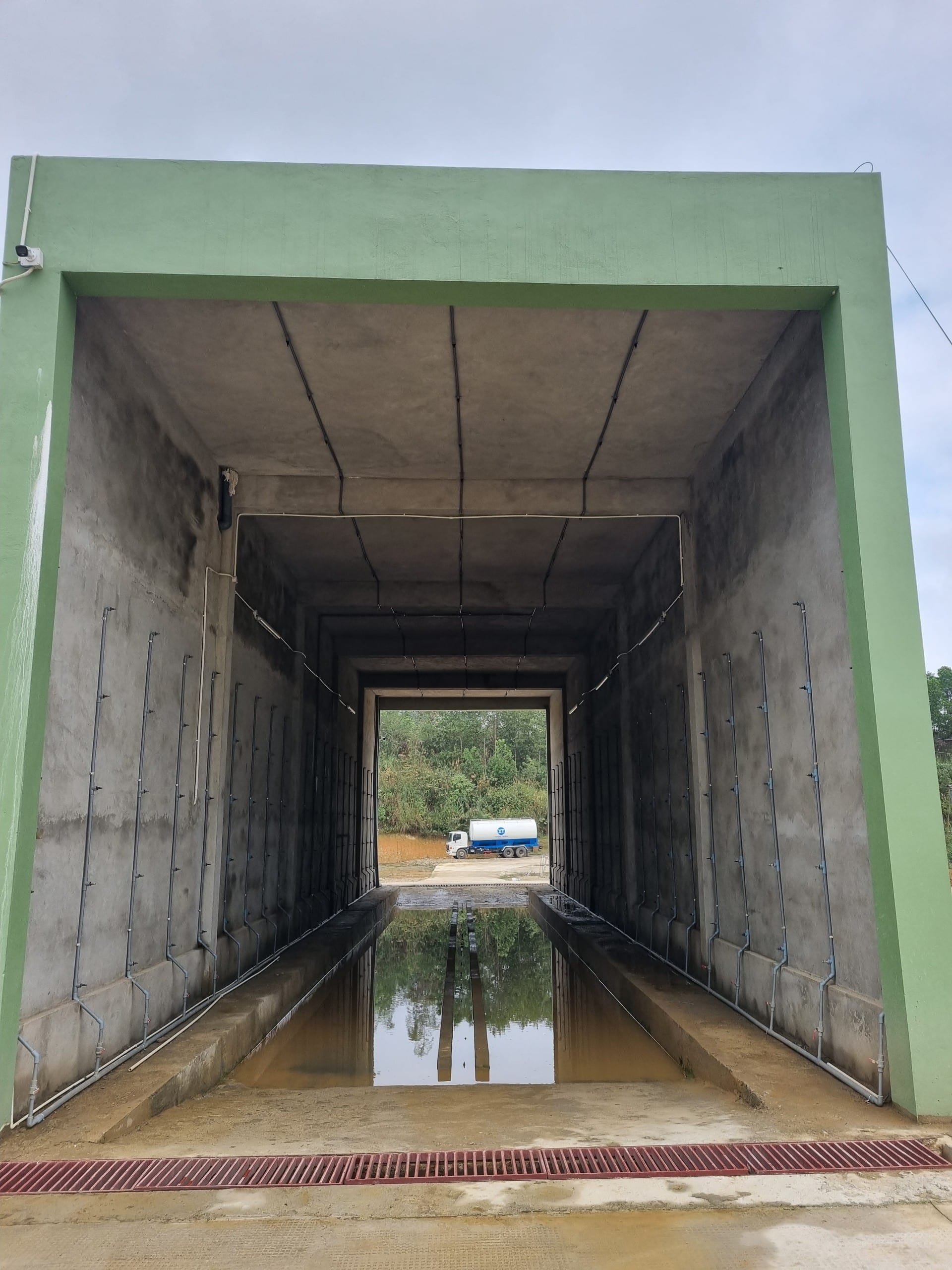
- Vehicle Control: All vehicles entering and exiting must be thoroughly washed and disinfected.
- Material and Feed Control: All materials must pass through a separate processing area (formalin fumigation room, UV cabinet).
5.2. Standard Cleaning and Disinfection Procedures
- Core Principle: “No cleaning, no disinfection.” Mechanical cleaning is the first and most important step.
- 5-Step “All-in, All-out” Process:
- Mechanical Cleaning (Dry Cleaning): Remove all manure, litter, and leftover feed.
- Washing with Water: Use a high-pressure washer to clean all surfaces thoroughly.
- Washing with Detergent: Use soap or a caustic soda solution (NaOH 2%) to remove biofilm.
- Disinfection: After the barn is dry, spray disinfectant evenly (lime powder, formalin…).
- Downtime: Leave the barn empty for a minimum of 7 to 15 days before introducing a new batch of pigs.
- Regular Sanitation: Regularly sprinkle lime powder on walkways, and change the water in disinfection footbaths periodically.
5.3. Proactive Disease Prevention Program: Vaccines and Deworming
“Prevention is better than cure” is the golden rule in livestock farming.
- Vaccination Schedule: Full and timely vaccination is the cheapest and most effective way to create active immunity for the herd.
- Deworming Schedule: Intestinal parasites compete for nutrients and damage the intestinal lining. Therefore, regular deworming is mandatory.
- Piglets: First deworming around 40 days of age.
- Sows: Deworm before breeding and after weaning.
- Boars: Deworm every 6 months.
Table 3: Detailed Vaccination and Deworming Schedule for Pigs
| Stage/Age | Vaccine/Medication Type | Disease Prevented/Effect | Notes |
|---|---|---|---|
| NURSING PIGLETS | |||
| 1-3 days old | Iron (injectable) | Iron deficiency anemia | Inject 1-2 ml/piglet intramuscularly |
| 3-4 days old | Coccidiosis prevention medication | Coccidiosis (diarrhea) | Administer one oral dose |
| 14 days old | Mycoplasma Vaccine | Enzootic pneumonia | 1st dose |
| 14 days old | Circo Vaccine (PCV2) | Wasting syndrome | |
| 21 days old | Classical Swine Fever Vaccine | Classical Swine Fever (Hog Cholera) | 1st dose |
| POST-WEANING PIGS / FATTENING PIGS | |||
| 28 days old | Paratyphoid Vaccine | Paratyphoid (Salmonellosis) | 1st dose |
| 35 days old | Pasteurellosis Vaccine | Pasteurellosis | |
| 40-45 days old | Dewormer | Roundworms and other nematodes | |
| 45-50 days old | Foot-and-Mouth Disease (FMD) Vaccine | FMD | 1st dose |
| 60 days old | Classical Swine Fever Vaccine | Classical Swine Fever | Booster (2nd dose) |
| 70 days old | Erysipelas Vaccine | Swine Erysipelas | |
| GILTS | |||
| 6 weeks before breeding | Parvovirus Vaccine | Mummification, abortion | 1st dose |
| 4-5 weeks before breeding | CSF, FMD, Pseudorabies Vaccines | Major infectious diseases | |
| 2-3 weeks before breeding | Parvovirus Vaccine | Mummification, abortion | Booster (2nd dose) |
| PREGNANT SOWS | |||
| 3-4 weeks before farrowing | CSF, Pasteurellosis Vaccines | Transfer antibodies to piglets | |
| 2 weeks before farrowing | E.coli Vaccine | Prevent diarrhea in piglets | |
| BOARS | |||
| Every 6 months | Deworming, CSF, FMD vaccines | Maintain reproductive health | |
5.4. The “All-in, All-out” (AIAO) Method
- Concept: AIAO is a management principle where a group of pigs (of the same age and origin) are moved into a cleaned and disinfected barn at the same time. This group is raised there until they are ready for market and are then moved out at the same time.
- Benefits: This is one of the most effective biosecurity measures, helping to break the disease transmission cycle from one batch to the next, resulting in a healthier herd and more uniform growth.
- Requirements: The farm must have clear zoning of housing by stage and strictly adhere to cleaning, disinfection, and downtime procedures between batches.
5.5. Disease Monitoring and Response
- Proactive Monitoring: Monitor the health of the herd daily, observing for any abnormal signs. Large farms should have a program for regular sampling and testing to screen for pathogens.
- Outbreak Response Procedure:
- Isolation: Immediately separate sick pigs from the herd.
- Reporting: Notify the local veterinary officer immediately.
- Disinfection: Increase the frequency of disinfectant spraying.
- Carcass Disposal: Dead pigs must be disposed of according to regulations (deep burial, sprinkled with lime powder).
Part VI: Operational Management and Future Direction
Successful pig farming is not just about technique; it’s also a story of management, optimization, and sustainable development.
6.1. The Importance of Record-Keeping
In modern farming, data is power. Keeping books or using software to record daily activities in detail is a mandatory requirement.
- What to record: Breed, feed, health (vaccination schedule, medication), productivity (weight gain), finances (costs, revenue).
- Purpose: To calculate FCR, perform economic analysis, ensure traceability, and continuously improve processes.
6.2. Waste Management and Environmental Protection
Waste management is not only a responsibility to the environment and community but also a mandatory legal requirement. A good treatment system also helps reduce pathogens and improve the living environment for the pigs themselves.
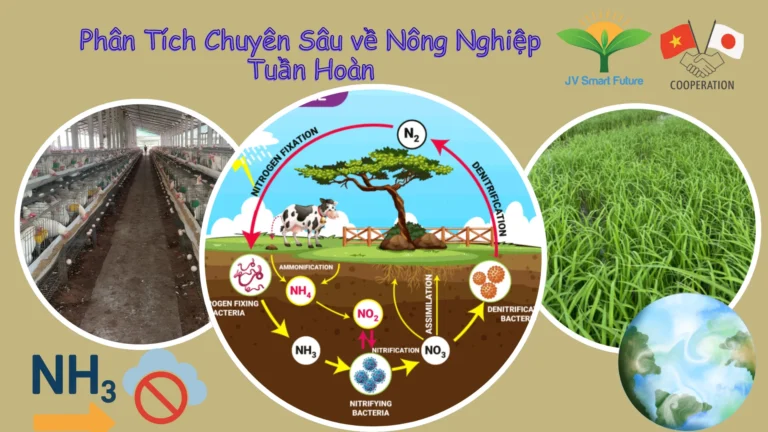
- Biogas Digester Model: This is the most widely applied and effective solution. Waste is channeled into a sealed digester where anaerobic microorganisms break down organic matter, producing methane gas ($CH_4$). The dual benefit is both pollution control and clean energy generation.
- Other Solutions:
- Composting: Applied to solid waste, mixing manure with rice husks, sawdust, and biological products to create organic fertilizer.
- Deep Bedding System: Suitable for small-scale household farming. The barn floor is covered with a thick layer of bedding (rice husks, sawdust) inoculated with beneficial microorganisms, which break down waste directly in the barn.
- Environmental Treatment Solution with Organic Carbon (Organic Carbon NEMA1):
- In addition to traditional methods, a high-tech solution from Japan using Organic Carbon (Organic Carbon NEMA1) is gaining attention. This is an organic carbon material activated by a proprietary technology, which works through a physical mechanism to treat the environment at its root cause rather than just treating symptoms.
- Main Uses:
- Complete Odor Elimination: NEMA1 can eliminate odors and toxic gases immediately after spraying. Field tests show the product can reduce total odor by up to 80% and H2S gas by 93% in barns.
- Improved Animal Health: By removing stress-inducing toxic gases, NEMA1 creates a fresh living environment, helping pigs stay healthier, eat better, grow faster, and reduce disease rates.
- Absolute Safety: The product is 100% extracted from a mixture of organic plants, safe for humans and animals, and does not harm the environment.
- Protects Native Microbiome: NEMA1 does not introduce foreign microorganisms into the barn but creates a favorable environment for native beneficial microorganisms to thrive.
- How to use: The main application method is spraying. The frequency of maintenance spraying will depend on the farming density and barn conditions.
6.3. Summary and Development Roadmap
Pig farming is an industry that requires a harmonious combination of science, technology, economic management, and legal compliance. Success depends on choosing the right model and correctly implementing core principles.
- Strategic Differences Summarized:
- Household Model: The main strategy is to optimize costs by maximizing the use of available resources.
- Farm Model: The main strategy is to maximize productivity and economic efficiency per unit of production.
- Recommended Roadmap for Beginners:
- Start Cautiously: Begin on a small scale to accumulate experience and capital.
- Prioritize Biosecurity Above All: Establish a serious biosecurity mindset and procedures from the very beginning.
- Never Stop Learning: The livestock industry is always changing. Successful farmers are those who continuously learn and update their knowledge to adapt and improve.
By taking a systematic, scientific, and professional approach, Vietnamese farmers can build solid businesses that yield high profits and contribute to the sustainable development of the country’s agricultural sector.